

A heatwave can strain your cooling setup. Cable ties offer a quick, affordable way to secure hoses, organize cords, and add safety. Below are ten smart strategies you can implement today to keep your home and outdoor space running smoothly, even when temperatures skyrocket.
1. Secure AC Hoses and Drain Pipes
Air conditioning systems use hoses that can kink or shift when heat expands materials. Bundle hoses neatly and secure them to nearby supports with UV-rated cable ties. This helps maintain good airflow and prevents leaks, which keeps your AC running efficiently. In a pinch, cable ties act as a fast fix until professional help arrives.
2. Tidy Up Portable and Window AC Units
Portable AC units often come with messy cords and hoses. Use cable ties to bundle cords behind the unit or along the wall. This neat setup reduces trip hazards and helps you clean up quickly if an impromptu gathering springs up. You can also attach the drain hose to a wall or gutter spout using cable ties for better water flow and less puddling.
3. Keep Inline Fan and Power Cables Organized
Summer often calls for extra fans—tower fans, box fans, clip-on types. Their cords can tangle or pose trip concerns. Bundle them with cable ties and route them along walls or furniture legs. Label each bundle if you use multiple fans so you know which cord belongs to which fan. It keeps cords safe and chores easier.
4. Anchor Shade Structures and Tarps
Heatwaves often prompt folks to create shade for patios or backyard lounges. Use cable ties to attach tarps or shade sails to pergolas, poles, or fences. You can secure corners and edges firmly, and if wind picks up, just snip a few ties to adjust or remove the structure quickly.
5. Support Temporary Easy-to-Heat Repairs
Heatwaves often lead to warped plastic fixtures or snapped outdoor fixtures—pool equipment, outdoor fans, or garden items. Cable ties make a fast, temporary fix. Use heavy-duty ties to hold cracked plastic pieces together until you can replace them properly.
6. Organize Garden Hoses and Drip Systems
Summer means watering gardens and lawns regularly. Garden hoses and drip irrigation lines can get tangled on walkways. Bundle hoses neatly with cable ties for storage. Run drip lines along fences or garden stakes, tying them regularly to keep them from sagging or moving.
7. Reinforce Outdoor Fans and Shade Blades
Ceiling fans on patios help beat the heat, but wind or accidents can loosen them. Fix the loose wire cover or fan blade housing with cable ties until you arrange a better solution. This quick fix keeps them steady for gatherings or relaxing evenings.
8. Prevent AC Unit Lid Vibration
Outdoor AC units vibrate during operation, especially during high demand. Small pieces of foam or rubber may help dampen noise, but they can fall out. Tie them in place inside the unit access panel so they stay put. This reduces rattling and protects your unit.
9. Label Fan or AC Cords for Easy Identification
When you have multiple cooling devices, it helps to label your fan or AC cords with cable ties. Loop a brightly colored tie around the plug and note which device it belongs to. This saves time and frustration when you need to move or unplug a specific device during a heat surge.
10. Bundle Overflow Power Strips and Extension Cords
Heatwaves often bring the need for flexible power solutions—especially if you plug in fans, lights, or pumps. Bundle extension cords neatly, wrap them up, and clip them with cable ties. This keeps them from tangling when summer power use spikes.
Why UV-Resistant Cable Ties Matter
Hot summer sun degrades ordinary plastic over time. That makes UV-resistant cable ties essential during heatwaves or long outdoor exposure. Nylon 6/6 ties rated for outdoor use hold up against cracking, discoloration, and strength loss. You get reliable performance, day after blazing day. Heat-resistant cable ties rated up to 185 °F perform well, even near sun-heated metal or pavement.
Featured Products from Cable Ties Unlimited
Here are two excellent picks from Cable Ties Unlimited that work great for summer heat-related tasks. I’ve included direct links so you can review the specs.
Extra Heavy Duty 250 lb UV Cable Ties
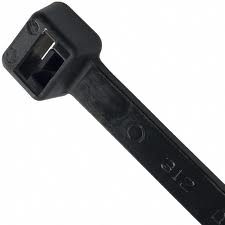
These 9‑inch heavy‑duty cable ties handle up to 250 pounds. They measure .5″ wide and strike a balance between size and strength. With an operating range from ‑40 °F to 185 °F, they hold up under extreme heatwaves. Use them to secure outdoor AC components or anchor shade structures safely. Their UV-resistant black nylon stands up to summer sun exposure.
We tried these to bundle several portable AC hoses behind a unit on a 100 °F day. They remained firm and crack-free even under full sun.
Standard 14.6″ 50 lb UV Cable Ties

These 14.6‑inch UV cable ties offer a 50‑pound tensile strength. They fit nearly any household task without being overly thick. Their flexibility makes them ideal for organizing fan cords, tying hoses to stakes, or setting up shade tarps. They resist heat and maintain their clamp even in blazing sun.
We attached an outdoor tarp shade with these ties during a midday heatwave. They held tight and showed no signs of UV damage after weeks outside.
Installation Tips for Heatwave Use
Use these best practices to maximize your cable tie performance during heatwaves:
-
Choose the right size and strength. Match tensile strength and tie width to your load. Heavy-duty ties do better with hoses and tarps; smaller ties work for cords and cables.
-
Cut ends close to the head. Trim excess after tightening to reduce snagging and exposure to sun.
-
Point the head away from sun. The locking head is thickest and resists UV best.
-
Inspect monthly. Swap out brittle or cracking ties mid-season if you notice wear.
Safety and Maintenance Tips
-
Monitor cords regularly. Even if ties look fine, cords can overheat if bundled too tight.
-
Avoid over-tightening. A firm twist is strong enough. Over-tightening weakens the tie.
-
Replace, don’t reuse. Nylon weakens after tensioning. Reuse only when secure hold isn’t critical.
-
Cut ties carefully. Use flush cutters to remove tightly fastened ties safely.
-
Check height. Outdoor units should sit several inches above the ground. Ties may shift as hoses contract in the heat.
Summer Use Cases in Different Regions
Heatwave impacts vary across U.S. regions, but these cable tie strategies apply widely.
-
Southwest deserts: Protect hoses and AC units under direct sun. Heavy-duty UV ties hold up to 180°F.
-
Southeast humidity: Secure hoses and cords to prevent mold buildup on damp ground. Ties help keep gear elevated.
-
Midwest heat waves: Fast shade setup matters. Cable ties hold tarps and fans during sudden storms or storms.
-
Northeast humidity & storms: Breakers can spark. Tie fans and outdoor wiring to keep critical cooling devices stable.
-
West Coast heat & wildfire smoke: Shade and clean airflow count. Ties help secure ventilation hoses and support cooling filters.
Common Mistakes to Avoid
-
Using indoor ties outside. They crack quickly under heat.
-
Skipping UV-rated ties. They fail faster outdoors in sun.
-
Tying wet hoses. Heat plus moisture weakens nylon. Let hoses dry somewhat first.
-
Ignoring bundle heat. Cords generate heat. Let some space between ties.
-
Neglecting replacement. Ties get brittle after weeks in sun. Inspect and swap out brittle ones.
Bundle Your Kit: What You Need
To conquer any heatwave challenge, create a summer emergency kit:
-
Heavy-duty UV cable ties (9″, 250 lb)
-
Standard UV cable ties (14–15″, 50 lb)
-
Mini UV ties (4″, 18 lb) for small cords
-
Heavy-duty scissors or flush cutters
-
Small sticky labels or markers
-
Rubber pads or foam strips for dampening
-
Spare zip-tie bed (releasable) if you need adjustments
Step-by-Step: Shade Tarps on Patio
-
Choose anchor points—trees, poles, pergola support beams.
-
Lay out your tarp and align anchor point to corner.
-
Bundle tarp corner hole and anchor with a standard UV cable tie.
-
Tighten firmly, leaving no slack.
-
Cinch opposite corners, keeping tarp flat.
-
Add heavier ties at midpoints for windier days.
Result: A smooth, secure shade that resists sun, rain, and moderate wind. When it gets hotter, just add fans underneath.
Step-by-Step: Heatwave AC Hose Fix
-
Lay AC hose gently avoiding kinks.
-
Position hose along wall or support board.
-
Apply heavy-duty cable tie every 2 feet.
-
Leave ¼‑inch space between hose and surface for airflow.
-
Check hose connection at unit and outdoor discharge daily.
This setup helps your AC run cooler and keeps airflow steady.
Final Thoughts
Cable ties become vital during heatwaves. They secure cooling systems, support shade solutions, and make gear easier to manage. UV-rated nylon ties stand up to sun, heat, and moisture. Use heavy-duty ties for strong supports and standard ties for everyday tasks.
The two featured products—a 250 lb extra-heavy-duty tie and a standard 50 lb tie—cover most needs. Keep a stock at home. You’ll stay safer, cooler, and better organized when summer heat strikes again.
For more insights and tips on cable ties and other related products, explore cabletiesunlimited.com, get a quick and free quote, and follow us on our social media communities on Facebook and Instagram!