

Cables are the circulatory system of modern infrastructure. They deliver power, carry data, and connect devices across homes, offices, factories, and data centers. While bundling cables keeps systems organized, the challenge lies in preserving flexibility. A bundle must stay neat yet remain easy to move, bend, and adjust.
Overly tight bundling damages insulation, restricts movement, and shortens cable lifespan. On the other hand, loose bundling creates clutter and increases the risk of tangling. Striking the right balance ensures safety, organization, and long-term durability. In the United States, industries from IT to construction demand bundling systems that maintain flexibility.
Why Flexibility Matters
Cables rarely stay in one place forever. Technicians reroute, upgrade, and expand systems constantly. Bundles that are too rigid complicate these changes. Flexible bundling makes it easier to add or remove cables without tearing apart the entire system.
Flexibility also prevents stress on connectors. In network cabinets, cables must bend into patch panels. In industrial environments, bundles move with machinery. Without flexibility, insulation cracks, connectors loosen, and systems fail prematurely.
The Risks of Rigid Bundling
Rigid bundling causes multiple problems. Tight cable ties pinch insulation and reduce bend radius. When a cable cannot flex, it strains at connection points. Over time, this leads to failures.
Another risk is heat buildup. Tightly packed cables cannot dissipate heat properly. Excess heat reduces efficiency and increases fire risks. Flexible bundling allows airflow between cables, reducing temperature rise and maintaining safe operation.
Best Practices for Flexible Bundling
To bundle cables without losing flexibility, technicians must follow best practices.
- Avoid overtightening: Cable ties should secure bundles but allow slight movement.
- Use the right materials: Nylon, Velcro, and specialty ties offer different levels of flexibility.
- Maintain bend radius: Cables should never bend tighter than recommended by manufacturers.
- Leave expansion room: Bundles should accommodate future cables without requiring complete rework.
- Consider reusability: Releasable ties allow changes without cutting and replacing ties.
These practices ensure bundles remain organized while preserving adaptability.
Material Options
Material choice affects flexibility.
Nylon ties are common and inexpensive but can create rigidity if overtightened. Releasable nylon ties improve flexibility by allowing adjustments. Velcro ties provide maximum adaptability because they can be opened and closed repeatedly without tools.
In high-heat or outdoor environments, specialty polymers or stainless steel ties are necessary. To preserve flexibility, these should be installed with proper spacing and tension. Choosing the right material ensures both durability and maneuverability.
Bundling in Data Centers

Data centers in the U.S. rely heavily on flexible bundling. Servers and switches change often, and technicians must trace and reroute cables quickly. Overly rigid bundles slow these operations and increase the risk of errors.
Flexible bundling systems, often using Velcro ties, allow technicians to add or remove cables without cutting ties. This reduces labor, improves uptime, and maintains airflow inside racks. Flexibility ensures data centers operate efficiently while meeting compliance standards.
Bundling in Manufacturing
Manufacturing plants also benefit from flexible bundling. Machines vibrate, shift, and undergo regular maintenance. Rigid ties cannot withstand constant motion. Flexible bundling ensures cables move with equipment rather than fighting against it.
Heat and dust add to the challenge. Flexible bundling systems in these environments often use heat-resistant nylon or stainless steel ties installed at intervals that allow controlled movement. This balance prevents wear while maintaining safety.
Bundling in Construction
Construction projects require adaptability. Electrical and telecom lines are installed before final layouts are known. Flexible bundling makes it easier to adjust as projects evolve. Releasable ties are especially useful because they allow modifications without wasting materials.
Once construction is complete, flexible bundles also support maintenance. Building managers can update wiring without tearing apart entire systems. This adaptability saves time and reduces long-term costs.
Tools for Flexible Bundling
Proper tools support flexible bundling. Tensioning tools apply consistent pressure without overtightening. Flush cutters trim excess tie tails without leaving sharp edges. For Velcro ties, simple manual application is sufficient.
Technicians in the U.S. often use color-coded ties to combine organization with flexibility. Different colors identify cable functions while allowing easy adjustments. Tools and accessories complement materials, ensuring bundles remain flexible and safe.
Heat and Airflow Considerations
Flexibility also affects heat management. Bundles must allow enough spacing for airflow. Overpacked bundles trap heat, leading to premature failure. By installing ties at intervals and avoiding excessive compression, technicians maintain safe operating temperatures.
Flexible bundles also make inspections easier. Technicians can separate cables slightly to check for wear or overheating, ensuring problems are caught before failure occurs.
Product Review: Releasable Nylon Ties from Cable Ties Unlimited
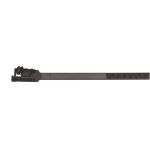
Cable Ties Unlimited supplies a wide range of solutions for flexible bundling. One standout is their Releasable Nylon Cable Tie.
These ties look like standard nylon ties but feature a releasable locking mechanism. This design allows technicians to adjust or remove ties without cutting them. They maintain strong tensile strength while providing reusability.
In practice, these ties excel in environments that require frequent changes, such as data centers and construction sites. They secure bundles reliably but allow adjustments without waste. Their smooth interior prevents cable abrasion, and their durability ensures long-term performance. For bundling that demands flexibility, these ties deliver both security and adaptability.
Avoiding Common Mistakes
Common mistakes reduce flexibility. Overtightening ties restricts cable movement and damages insulation. Using ties too close together creates rigidity. Mixing inflexible materials with flexible ones reduces overall adaptability.
Another mistake is failing to plan for future expansion. Bundles should leave space for new cables. Without this, technicians must cut and redo bundles whenever systems expand. Planning ahead prevents wasted effort.
Cost Versus Value
Flexible bundling solutions often cost slightly more than rigid ones, especially when using releasable or Velcro ties. However, the value lies in adaptability. Fewer replacements, reduced downtime, and easier maintenance save significant money over time.
In U.S. industries where uptime matters, the long-term savings outweigh the upfront cost. Flexible bundling is an investment in efficiency and reliability.
The Role in Compliance
U.S. standards such as TIA-568 and NEC emphasize safe, organized cabling. While they do not mandate flexibility, they require proper bend radius and heat management. Flexible bundling supports these requirements by preventing damage and improving airflow.
For industries like healthcare and finance, where compliance is strict, flexible bundling ensures inspections run smoothly. Organized, adaptable systems demonstrate professionalism and safety.
Future of Flexible Bundling
Flexible bundling is evolving alongside technology. Manufacturers are developing hybrid ties that combine strength with reusability. Smart ties with embedded RFID chips may allow tracking and monitoring, further integrating physical cabling with digital systems.
Eco-friendly options are also growing. Biodegradable Velcro-style wraps and recyclable nylon ties may reduce environmental impact. In the future, flexible bundling will not only improve functionality but also align with sustainability goals.
Conclusion
Bundling cables without losing flexibility is essential across U.S. industries. From data centers to manufacturing, construction to telecom, flexibility ensures durability, safety, and adaptability. Rigid bundling creates risks, but flexible systems balance order with movement.
Products like the releasable nylon cable ties from Cable Ties Unlimited provide practical solutions. They secure bundles firmly while allowing adjustments, ensuring both stability and adaptability. For any organization seeking efficiency, flexible bundling is not optional. It is the foundation of safe, professional, and future-ready infrastructure.
For more insights and tips on cable ties and other related products, explore cabletiesunlimited.com, get a quick and free quote, and follow us on our social media communities on Facebook and Instagram!