Winter creates tough conditions for outdoor electrical work. Cable tie mounting bases face constant stress from snow, freezing rain, and expanding ice. Weak or unsuitable bases fail quickly when ice builds around them.
This guide explains how to choose and use cable tie mounting bases that withstand ice build-up. It offers practical, field-ready advice for installers working in harsh winter environments.
Why Ice Build-Up Damages Mounting Bases
Ice adds weight, pressure, and unexpected movement. Mounting bases must hold steady when ice forms around cable runs. Poor-quality bases crack or detach once the pressure increases.
Cold temperatures also change how plastics behave. Many materials stiffen, which reduces their ability to handle strain.
Freeze–Thaw Expansion
Ice expands as temperatures swing above and below freezing. Expansion pushes against mounting bases and tied cables.
This pressure weakens adhesives, splits plastics, and loosens anchors.
Added Mechanical Load
Snow and ice collect on wires and cable bundles. This adds significant downward force.
Mounting bases must carry this load while also resisting lateral pressure caused by shifting ice.
Moisture Intrusion
Moisture enters small gaps during warm periods. It then freezes and expands at night.
This cycle accelerates cracks in mounting bases and reduces holding strength.
How Material Choice Affects Winter Performance
Mounting bases differ based on material, design, and strength. Materials respond differently to ice pressure and cold temperatures.
Choosing the correct base improves durability during winter.
Nylon Limitations in Cold Weather
Nylon absorbs moisture. This moisture freezes in winter, which makes the material brittle.
Cold brittleness increases cracking and reduces grip.
Weather-Resistant Materials Perform Better
Weather-resistant plastics maintain flexibility in extreme cold. These materials resist moisture, UV exposure, and temperature cycling.
They offer reliable strength during freeze–thaw conditions.
Metal-Based Mounting Solutions
Some mounting bases incorporate metal components for support. These parts handle ice pressure well.
Metal remains strong in cold temperatures but requires proper insulation to avoid corrosion.
Choosing Mounting Bases Designed for Ice Exposure
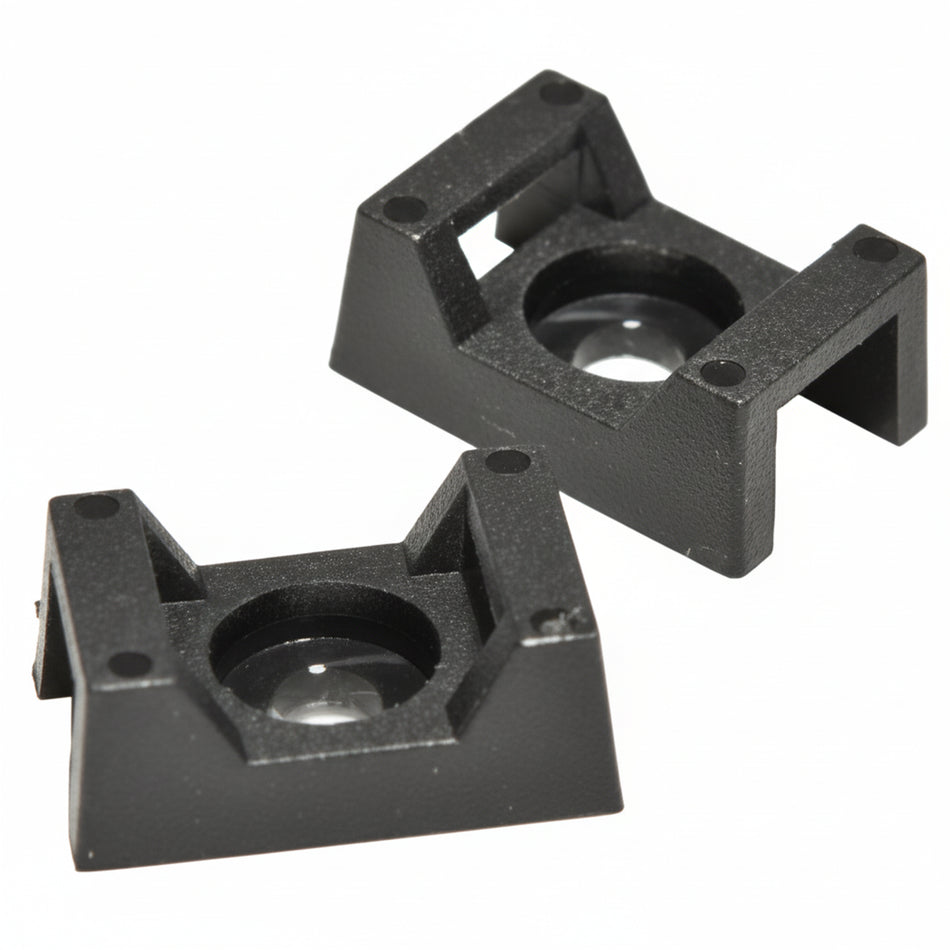
Not all bases suit winter work. Choose mounting bases built for cold temperatures, moisture, and heavy ice pressure.
These products offer better stability and prevent winter failures.
Cold-Rated Adhesive Backing
Adhesive backing weakens in cold temperatures. Cold-rated adhesive sticks to surfaces during winter.
These bases provide better hold on metal, plastic, or painted surfaces.
Screw-Mount Bases for Maximum Strength
Screw-mount bases handle ice pressure better than adhesive versions. Screws anchor the base securely into the structure.
Use screw-mounts in areas with heavy snow or constant freezing rain.
Bases with Reinforced Structures
Reinforced bases distribute load more evenly. These bases resist cracking during sudden ice pressure.
Their thicker design helps maintain shape in extreme cold.
Preparing Surfaces Before Installing Mounting Bases
Preparation improves the performance of any mounting base. Winter conditions require extra attention to surface cleaning and placement.
A prepared surface improves adhesion and prevents early failure.
Cleaning Off Dirt and Rust
Clean surfaces help adhesive and screws bond properly. Dirt and rust reduce contact area.
Use a clean, dry cloth and remove corrosion before installation.
Drying the Surface
Water interferes with both adhesive and screw-mount performance.
Dry the surface completely before attaching the base.
Removing Old Adhesive Material
Old adhesive leaves residue that weakens the new bond.
Scrape off old adhesive and clean the area before installing a fresh base.
Installation Techniques That Improve Winter Durability
Installation affects performance as much as material choice. Winter installations require careful handling and precise placement.
These techniques reduce stress and increase holding strength.
Apply Consistent Pressure
Applying firm pressure improves adhesive contact.
Hold the base in place for several seconds to secure the bond.
Pre-Drilling for Screw-Mount Stability
Pre-drilling prevents cracking around screw holes in cold conditions.
Use slow speed to avoid creating heat that melts or distorts the surface.
Avoiding Sharp Angles
Sharp cable bends increase pressure on the mounting base.
Create smooth, even paths to reduce stress on the tie and base.
Protecting Mounting Bases from Ice Build-Up
Protection helps mounting bases withstand winter exposure. Simple accessories and placement strategies reduce ice contact.
These steps add extra security during freezing weather.
Use Protective Sleeves
Protective sleeves shield ties and bases from direct ice contact.
They also prevent abrasion caused by shifting ice.
Elevate Cable Runs
Elevated runs reduce the amount of snow and ice that collects around bases.
Supports and brackets help maintain clearance from ground-level ice.
Add Moisture Shields
Moisture shields prevent direct contact with snow and freezing rain.
These shields reduce freeze–thaw stress near the mounting point.
Helpful Winter Accessories
• Protective sleeves for shielding cable paths
• Moisture shields for exposed outdoor connections
Maintaining Mounting Bases Throughout Winter
Maintenance ensures safe performance during long cold periods. Winter storms cause shifting loads and moisture buildup.
Simple checks help avoid sudden failures.
Inspecting for Cracks and Stress Marks
Cold stress often appears as small cracks.
Replace bases showing these signs to prevent sudden detachment.
Checking for Loose Anchors
Ice expansion can loosen screws or adhesive.
Re-tighten screws and replace bases where adhesive has failed.
Removing Heavy Ice Gently
Heavy ice places significant strain on mounting bases.
Remove ice gently to avoid bending or cracking the tie.
Troubleshooting Common Winter Failures
Winter failures reveal how the installation responds to ice exposure. Understanding patterns helps you fix issues quickly.
Most failures relate to cold brittleness, weak adhesion, or mechanical overload.
Adhesive Detachment in Extreme Cold
Adhesive detaches when moisture or ice works under the base.
Use cold-rated adhesive or switch to screw-mount bases.
Cracked Base Corners
Cracks form at corners due to pressure from ice expansion.
Replace with reinforced bases designed for winter loads.
Cable Slippage
Cold temperatures reduce friction.
Re-secure ties with weather-resistant varieties to maintain hold.
Designing Winter-Ready Cable Routing Systems
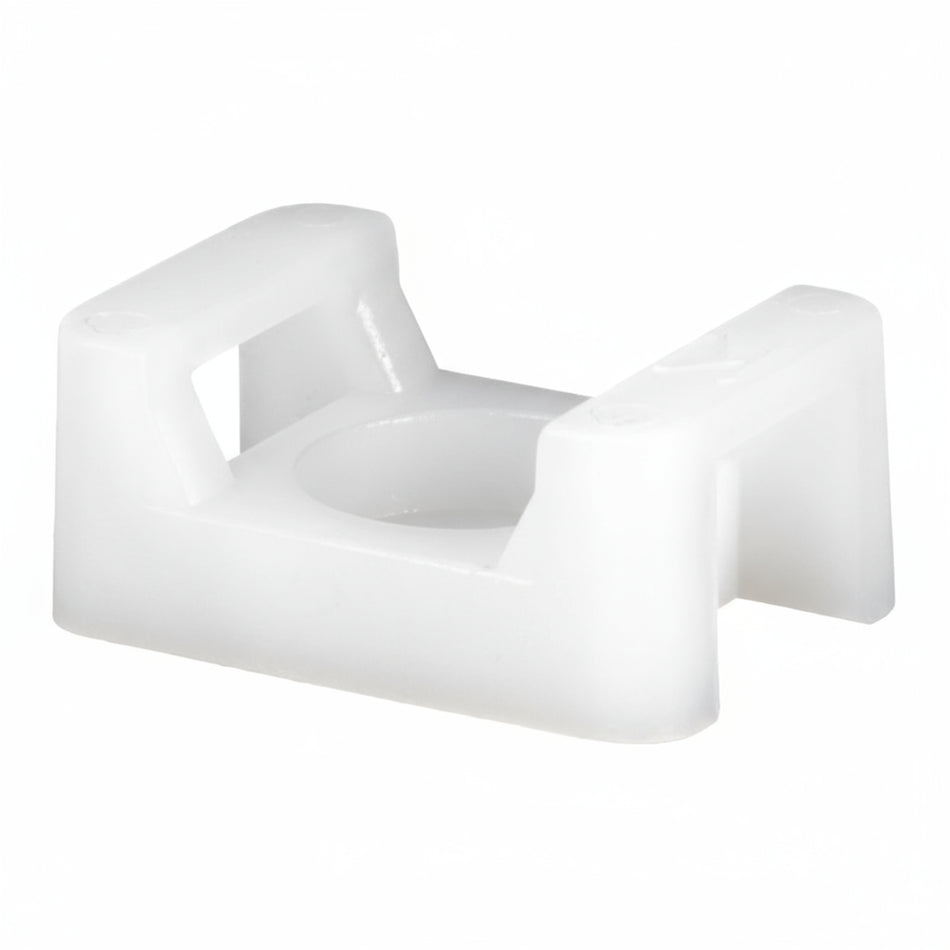
Good routing reduces pressure on mounting bases. A proper layout keeps cables safe from shifting ice and snow.
Design your winter system with movement and moisture in mind.
Maintain Smooth Cable Paths
Avoid sudden angles.
Smooth paths reduce tension on mounts.
Provide Adequate Slack
Slack protects installations from pulling during freeze–thaw cycles.
Allow slight movement without stressing the tie.
Protecting Mounting Bases in High-Moisture Locations
Moisture-heavy areas require additional attention. These environments produce frequent freeze–thaw cycles.
Improving protection reduces long-term damage.
Avoid Drip Zones
Snowmelt from rooftops or overhead structures creates constant water flow.
Place mounting bases away from runoff paths.
Keep Bases Out of Standing Water
Standing water freezes at night and expands around the base.
Mount bases on elevated or angled surfaces to avoid pooling.
Shield Against Wind-Driven Ice
Wind pushes snow and ice into exposed areas.
Use covers or shields to protect mounting points.
Field Repair Strategies During Winter
Field repairs must be quick and safe. Cold conditions make materials brittle.
Use careful methods to avoid further damage.
Replace Damaged Bases Immediately
A cracked base cannot hold cables safely.
Replace it before ice forms again.
Warm the Area Before Working
Warm surfaces improve material flexibility.
Use safe warming methods before removing or replacing a base.
Use Temporary Supports
Temporary supports keep cable paths stable until proper repairs occur.
Choose supports that resist cold and moisture.
Planning a Winter Inspection Routine
Winter tools need routine inspection. Cable tie mounting bases face constant stress from freezing conditions.
A simple routine prevents costly failures.
Key Areas to Inspect
Check the locking head area, screw points, and adhesive pads.
Look for shifting, cracks, or loose movement after storms.
Final Thoughts
Ice build-up places heavy stress on cable tie mounting bases. Cold temperatures, moisture, and shifting loads all increase the chance of failure. Selecting winter-resistant bases and using proper installation and protection methods helps maintain safe, durable systems through harsh weather.
With the right materials and maintenance habits, mounting bases remain reliable even under heavy ice exposure.
For more insights and tips on cable ties and other related products, explore cabletiesunlimited.com, get a quick and free quote, and follow us on our social media communities on Facebook and Instagram!
written By
Kyle Hinckley
Kyle Hinckley is a cable management specialist with over 15 years of experience in industrial and commercial
applications. He has helped hundreds of businesses optimize their cable infrastructure and improve workplace
organization.
About Cable Ties Unlimited
Cable Ties Unlimited represent one of the most cost-effective solutions for organization, repairs, and creative projects.
By thinking beyond their traditional use for cable management, you can discover hundreds of applications that
will save you time and money.
Get Expert Cable Management Tips
Join 10,000+ professionals receiving our weekly newsletter with industry insights, product guides, and
exclusive offers.


 Not all bases suit winter work. Choose mounting bases built for cold temperatures, moisture, and heavy ice pressure.
These products offer better stability and prevent winter failures.
Not all bases suit winter work. Choose mounting bases built for cold temperatures, moisture, and heavy ice pressure.
These products offer better stability and prevent winter failures.
 Good routing reduces pressure on mounting bases. A proper layout keeps cables safe from shifting ice and snow.
Design your winter system with movement and moisture in mind.
Good routing reduces pressure on mounting bases. A proper layout keeps cables safe from shifting ice and snow.
Design your winter system with movement and moisture in mind.