In modern manufacturing, every second counts. Assembly lines are designed around precision and pace — where consistency, safety, and efficiency define profitability. In this environment, cable ties are far more than small plastic fasteners. They’re essential components that enable organization, improve workflow, and enhance long-term product reliability.
From automotive wiring harnesses to consumer electronics, cable ties play a critical role in streamlining production and maintaining process control. The right type of tie — properly applied — can improve safety, reduce waste, and ensure every product leaving the line meets identical quality standards.
This article explores how cable ties support assembly line performance, the key features to look for, and best practices for achieving speed, safety, and repeatability in production environments.
Why Cable Ties Matter in Manufacturing
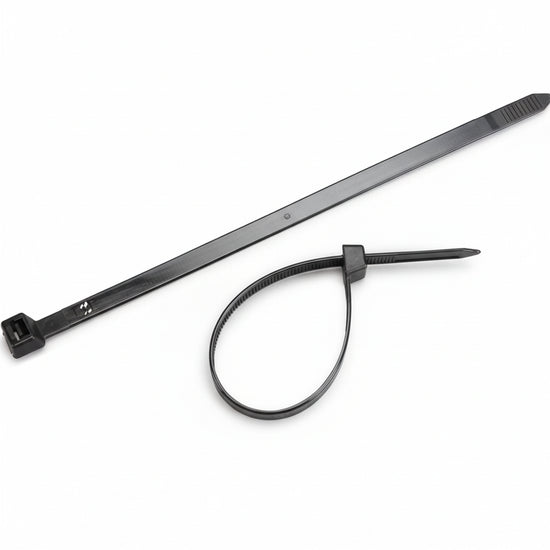
Cable ties appear simple, but their role in manufacturing is anything but trivial. They keep electrical harnesses organized, secure hoses and tubing, hold subassemblies in place, and prevent movement during transport or operation.
In automated or semi-automated assembly lines, cable management is part of the broader principle of lean manufacturing — minimizing downtime, defects, and excess motion.
Well-chosen and properly installed cable ties can:
Reduce wiring errors and rework
Shorten assembly time
Improve operator ergonomics
Prevent damage to wires and components
Ensure consistent build quality across shifts and production runs
The first priority on any assembly line is speed. Manual bundling, cutting, and securing take time, and even small inefficiencies add up.
Choose the Right Cable Tie Design
For repetitive assembly work, use ties that enable fast threading and smooth insertion. A few features to prioritize:
Low threading resistance: A beveled or rounded strap tip slides easily through the locking head.
Consistent grip: Reliable locking teeth prevent the need for retightening.
Pre-assembled bundles: Pre-looped or partially closed ties save seconds on each cycle.
Releasable ties: For temporary bundling during subassembly stages, releasable options allow repositioning without cutting and replacing ties.
Automate Where Possible
For high-volume production, automatic cable tie tools or pneumatic tensioning systems ensure quick, consistent installation. These devices tension and cut ties in a single motion, reducing manual strain and eliminating variability between operators.
Even in semi-automated environments, the combination of pre-fed ties and ergonomic tools can cut installation time by up to 50%, improving both speed and worker comfort.
Optimize Material Handling
Organize ties in accessible dispensers near each workstation. Color-code them for specific wire sizes or stages of assembly to minimize confusion and misapplication.
Efficiency often depends not on the tie itself, but on how it’s integrated into the workflow.
2. Safety: Protecting People and Products
Cable ties improve safety on the line in two key ways — by preventing physical hazards and by ensuring electrical integrity.
Eliminate Sharp Edges
After cutting cable ties, exposed ends can create sharp burrs that injure workers or damage nearby wires. Always use flush-cut tools designed to remove the tail cleanly.
For even greater safety, consider ties with integrated safety heads or low-profile locking mechanisms that minimize snagging risks. In environments where workers handle wiring repeatedly, these small adjustments significantly reduce hand injuries.
Prevent Wire Damage
Improperly tensioned cable ties can pinch insulation or deform wires, leading to electrical faults later in service.
Use tension-controlled tools that apply consistent force without over-tightening.
Select ties with rounded edges and smooth surfaces to avoid abrasion.
Avoid using metal ties near sensitive electronics unless insulated coatings are present.
The goal is to secure components firmly, but gently — ensuring mechanical stability without compromising insulation or signal integrity.
Maintain Electrical Safety
In assembly lines involving electrical subassemblies, use flame-retardant or UL-rated cable ties that meet safety codes for wiring and harnessing. These materials prevent ignition and minimize smoke in case of short circuits or overheating.
Environmental factors matter too. In humid or oily conditions, chemical-resistant nylon or polypropylene ties maintain grip and safety over time.
3. Repeatability: Ensuring Consistent Quality
Repeatability — the ability to reproduce identical results across every product — is at the core of modern manufacturing. Cable ties contribute by introducing mechanical consistency and process predictability.
Standardize Materials and Sizes
Different materials respond differently to heat, vibration, and aging. For consistent performance, select a standardized tie for each application category — and document it in your assembly specifications.
Common options include:
Nylon 6/6: General-purpose, ideal for most indoor applications.
UV-stabilized nylon: Best for outdoor or high-UV exposure assemblies.
Heat-stabilized nylon: Withstands elevated manufacturing or service temperatures.
Flame-retardant materials: Used for electrical or automotive assemblies.
Metal or PEEK ties: For heavy-duty or high-heat industrial equipment.
By controlling material selection, you ensure predictable behavior across every production run.
Use Proper Tensioning
The most common source of variability in assembly line wiring is inconsistent tie tension. Over-tightened ties can cut insulation; loose ties lead to movement and rattling.
Tensioning tools — manual, pneumatic, or automatic — apply uniform force every time. Training operators to use the same setting for each harness ensures that every cable is secured with identical pressure.
Integrate Visual Inspection
Consistent appearance is a hallmark of quality control. Establish visual standards:
Uniform spacing between ties
Straight alignment of bundles
No overhanging or jagged ends
Proper label placement
Visual inspection isn’t just aesthetic — it confirms correct installation and prevents long-term failure from uneven stress or cable rubbing.
Designing Assembly Processes Around Cable Ties
Cable management should be built into the assembly design, not added as an afterthought. Integrating tie points, mounts, and harness channels early in the process saves time later.
Plan Cable Paths
Map out cable runs before production begins. Design routes that minimize crossing, tension, and interference with moving parts.
Choose Compatible Mounting Solutions
Combine cable ties with adhesive bases, screw mounts, or push-mount anchors for quick installation on panels, frames, or wiring trays. Mounting bases allow faster tie placement and improve bundle stability.
For modular assembly lines, snap-in mounts enable easy reconfiguration without drilling or adhesives.
Label and Organize
Colored or numbered ties can serve as process indicators, helping workers identify wiring phases, test completion, or inspection points.
This approach reduces human error and improves traceability — two pillars of repeatable manufacturing.
Addressing Environmental Challenges
Assembly environments are not always climate-controlled. Temperature, humidity, and exposure to oils or chemicals can influence tie performance.
Temperature Resistance
Select ties rated for the full temperature range of both the assembly environment and the product’s end use.
For example:
Heat-stabilized nylon ties withstand temperatures up to 250°F (121°C).
Weather-resistant nylon performs reliably in outdoor or cold conditions.
Chemical Exposure
In environments with lubricants, solvents, or coolants, choose materials resistant to chemical degradation, such as polypropylene or ETFE.
Static Control
In electronics assembly, use ESD-safe cable ties made from conductive or dissipative materials. They prevent static buildup that can damage sensitive components.
Ergonomics and Worker Efficiency
Human factors play a major role in maintaining both speed and safety on the line.
Reduce Hand Fatigue
Manual cutting and tightening over long shifts can cause repetitive strain injuries. Ergonomic cable tie guns with balanced grips and low trigger force reduce fatigue while improving accuracy.
Minimize Repetitive Errors
Color-coded ties or tool presets prevent mismatched materials and over-tightening. Consistency reduces mental strain on operators, helping maintain productivity through the end of each shift.
Streamline Training
Clear procedures and visual examples help new workers reach proficiency faster. Define the correct tie type, placement, and tension for each step in your standard operating procedures.
Once standardized, this process becomes part of the assembly rhythm — fast, safe, and repeatable.
Cost vs. Performance: The Long-Term View
Cheap cable ties may seem cost-effective at scale, but they often fail faster, leading to downtime, rework, or warranty claims. Over time, the small upfront savings are lost to inefficiency.
Investing in high-quality, rated cable ties yields measurable benefits:
Fewer product defects
Less maintenance and rework
Higher assembly throughput
Improved brand reputation for reliability
The best solution balances speed and longevity — not just unit cost.
Quality Control and Documentation
Testing and traceability close the loop on assembly efficiency. Implement regular checks for:
Tensile strength (based on pull or loop tests)
Locking mechanism function
Material integrity after environmental exposure
Record test results and lot numbers to ensure traceability. If an issue arises downstream, you’ll know which batch or supplier to review — minimizing disruption and maintaining compliance.
The Role of Continuous Improvement
The most successful manufacturing teams view cable management as a continuous optimization process.
Gather feedback from operators about ergonomics and installation speed. Analyze any field failures for root causes — was it material aging, incorrect tension, or environmental stress?
Iterate on tie selection, tooling, and processes just as you would with any other critical component. Over time, these refinements improve efficiency and reliability across the entire production line.
Final Thoughts
In a world where efficiency defines competitiveness, cable ties are quiet enablers of quality and consistency. They speed up production, enhance safety, and make repeatability achievable at scale.
Whether your assembly line builds cars, electronics, or industrial equipment, every second and every tie matters.
By choosing the right materials, maintaining consistent tension, and designing your workflow around smart cable management, you can transform a simple fastening tool into a driver of productivity and precision.
In manufacturing, success isn’t always about the biggest machines or the most advanced software — sometimes, it’s about getting the smallest details right, again and again.
For more insights and tips on cable ties and other related products, explore cabletiesunlimited.com, get a quick and free quote, and follow us on our social media communities on Facebook and Instagram.
written By
Kyle Hinckley
Kyle Hinckley is a cable management specialist with over 15 years of experience in industrial and commercial
applications. He has helped hundreds of businesses optimize their cable infrastructure and improve workplace
organization.
About Cable Ties Unlimited
Cable Ties Unlimited represent one of the most cost-effective solutions for organization, repairs, and creative projects.
By thinking beyond their traditional use for cable management, you can discover hundreds of applications that
will save you time and money.
Get Expert Cable Management Tips
Join 10,000+ professionals receiving our weekly newsletter with industry insights, product guides, and
exclusive offers.


 Cable ties improve safety on the line in two key ways — by preventing physical hazards and by ensuring electrical integrity.