

Keeping public transit systems safe and efficient demands more than clever engineering. Every detail matters, right down to the smallest cable tie. These unsung heroes work behind the scenes, keeping trains, trams, buses, stations, and networks connected, organized, and protected. If you overlook cable ties in mass transit, you leave yourself open to big risks and unnecessary headaches.
Let’s dig into why cable ties matter in public transport, where you need them, and what separates transit-ready ties from off-the-shelf options.
Why Cable Ties Matter in Mass Transit
If you run or design public transit, cable management is never just an afterthought. Each cable supports a critical function. Failures or shortcuts can cause more than inconvenience—they can endanger lives, halt services, and even trigger major disasters.
What’s Really at Stake?
Fire Safety: Loose or poorly managed wires become hazards fast. In crowded trains or platforms, a cable fire can threaten hundreds of lives within minutes. Fire-resistant cable ties help prevent small faults from becoming life-threatening events.
Reliability: Every commuter expects the lights to stay on, the AC to keep running, and the PA to work for every trip. Vibration, moisture, and dust test cables daily. If ties snap, sag, or degrade, wires break loose and systems fail—sometimes during peak hours.
Compliance: Transit systems must meet strict safety regulations. Agencies like the Federal Transit Administration (FTA), and standards such as UL94 V-0 and EN45545-2, set rules for flammability and material performance. Compliance is non-negotiable in passenger and crew compartments.
If you want safe, reliable service, you can’t settle for generic cable ties. Transit environments need something tougher, safer, and smarter.
Key Requirements for Transit Cable Ties
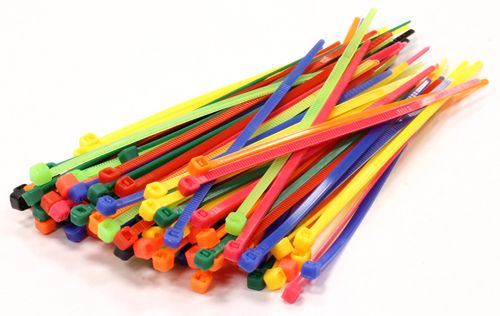
Transit-rated cable ties need more than basic durability. They face vibration, high passenger volume, constant cleaning, and regular maintenance. Let’s break down what makes a cable tie ready for the demands of mass transit.
Fire Retardant and Low Smoke
Top priority in transit is safety during a fire. Ties must resist ignition and avoid producing toxic smoke. Look for ties rated UL94 V-0 (the highest flame resistance for vertical burn) or certified to EN45545-2, the European standard for fire safety in rail vehicles. Low-smoke materials are critical. In an emergency, toxic fumes are as dangerous as the flames.
Vibration Resistance
Public transit is a rough environment. Trains and buses shake, rattle, and roll all day. Ties must hold fast even after years of constant vibration. Poor-quality ties can loosen, crack, or even snap, exposing wires to damage or accidental short circuits.
Chemical and UV Resistance
Transit vehicles and stations get regular cleanings with tough agents. Exposed wiring can face road salt, oil, grime, and direct sunlight. UV-stabilized and chemically resistant cable ties last longer in these harsh conditions, reducing maintenance costs and preventing premature failures.
Ease of Inspection
Transit systems are inspected often for safety and compliance. Some agencies require cable ties that are metal-detectable or carry a visible mark, making checks faster. Laser-marked or color-coded cable ties support efficient visual audits and reduce human error.
Where Cable Ties Are Used in Mass Transit
The need for strong, safe cable management stretches across the entire transit network. Each area presents unique challenges for installers and maintenance crews.
Passenger and Crew Compartments
Open any panel or ceiling tile in a rail car, tram, or bus, and you’ll see bundles of wiring. These cables power lighting, seat electronics, intercoms, smoke detectors, and emergency alarms. All cable ties here must be flame-retardant, low-smoke, and sometimes halogen-free. This limits toxic emissions and meets strict regulations for enclosed spaces.
Driver Cabins and Control Rooms
The driver’s cab is the brain of a train or bus. Here, cable ties organize sensitive control and communication wiring. These ties must withstand vibration and heat, while allowing quick access for maintenance and repairs. Color coding and clear identification help maintenance teams find and fix problems fast.
Under-Vehicle and Roof Installations
Beneath each vehicle and up on the roof, cable ties keep HVAC, lighting, and data cables in place. These environments are exposed to rain, dirt, and big temperature swings. Here, UV- and chemical-resistant ties make all the difference, with extra strength for larger cable bundles.
Stations and Platform Infrastructure
Transit stations are packed with wiring—lighting, speakers, ticketing systems, surveillance cameras, and emergency gear. Installers often use large-diameter or releasable cable ties to support future upgrades and quick repairs. Fire safety is crucial, especially in underground or enclosed stations.
Choosing the Right Cable Tie for the Job

With so many cable tie options on the market, how do you pick the right one for your transit application? Focus on these criteria.
Flammability Rating
This is non-negotiable for passenger safety. The most common ratings you’ll see are:
- UL94 V-0: Highest rating for vertical flame resistance.
- EN45545-2: The European benchmark for railway fire safety.
- Low smoke/halogen-free: Prevents the release of dangerous chemicals during a fire.
Never compromise on flammability for public transport applications.
Material Selection
- Nylon 6.6: Common and reliable for general use.
- Halogen-free nylon: For use where toxic gas emissions must be avoided.
- Metal-detectable or identifiable ties: For improved inspection, especially in food transit or sensitive cargo applications.
Temperature and Strength
Transit systems can run from freezing cold to extreme summer heat. Choose ties rated for a broad temperature range. For heavy or bundled cables, pick high-tensile strength ties that won’t deform or break.
Color Coding and Traceability
Using color-coded ties makes installation, inspection, and future troubleshooting far easier. Laser marking or unique tags help with documentation and audits, a must for safety-critical infrastructure.
Best Practices for Installation
Even the best cable ties can fail if installed poorly. These tips ensure safe, reliable results:
- Don’t over-tighten: Tight ties can cut into cables, causing insulation damage and electrical faults.
- Leave inspection tails: In some cases, leaving a small tail helps inspectors verify installation without removing panels.
- Use correct sizes: Choose the right length and width for each cable bundle. Too short or narrow means reduced strength and a higher risk of failure.
- Plan for maintenance: In high-maintenance areas, use releasable or reusable ties so you can replace or adjust cables without cutting and redoing work.
Real-World Example: Lessons from Leading Metro Systems
Many of the world’s busiest subways and commuter rail networks, including the London Underground and New York City Subway, have strict rules for cable management. They require flame-retardant, low-smoke, halogen-free cable ties for new installations and upgrades. Why? Because these decisions save lives and protect property. One faulty tie could allow a bundle of cables to collapse, causing cascading failures and exposing passengers and staff to danger.
It’s not just about initial safety, either. Using compliant cable ties simplifies ongoing inspections, improves the speed and quality of repairs, and helps meet insurance or regulatory requirements without headaches.
The Payoff: Safety, Reliability, and Lasting Value
Investing in the right cable ties for mass transit is not a luxury or a minor detail—it’s a requirement for every transit operator who values safety, compliance, and long-term reliability.
- You protect passengers and staff from the dangers of fire and smoke.
- You keep critical systems—lighting, air conditioning, communications—operating at full strength, even during rough service.
- You reduce maintenance costs and avoid expensive, disruptive failures.
- You meet or exceed the strictest industry standards, making audits and certifications painless.
The best transit operators sweat the small stuff. They know that details like cable ties play a direct role in passenger safety and operational success. When you choose cable ties that are built for mass transit, you’re building a safer, more resilient system from the ground up.
Don’t Compromise on Cable Management
Cable ties may be small, but their impact on transit safety and performance is huge. When every minute and every life counts, it pays to use ties that deliver proven fire resistance, vibration stability, chemical toughness, and easy inspection. Always check the standards, use the right materials, and follow best installation practices.
Make transit cable management a priority, not an afterthought. Your passengers, staff, and infrastructure will thank you.
For more insights and tips on cable ties and other related products, explore cabletiesunlimited.com, get a quick and free quote, and follow us on our social media communities on Facebook and Instagram!