

Push-in wire connectors are a modern favourite among electricians and DIYers for quick, tidy wiring jobs. But are they the right choice for copper splices? This is a common question that pops up, especially as more people discover these connectors at their local hardware shop. Let’s explore how push-in connectors work, where they shine, their limitations, and whether you should trust them with copper wire splices.
What Are Push-In Wire Connectors?
Push-in wire connectors—sometimes called lever or spring connectors—make wiring simple. Instead of twisting wires together, you strip the insulation, then push each wire straight into a separate port. Inside, a metal clamp or spring grabs the wire tightly, holding it in place.
This design cuts installation time and reduces mess. No twisting. No loose copper ends. Everything stays neat, separated, and secure. Most push-in connectors are clear or colour-coded, so you can check the connection at a glance. The housing is usually made of high-quality plastic that resists heat and impacts.
The Main Benefits of Push-In Connectors
The main draw of push-in connectors is convenience. If you’re wiring several lights, switches, or outlets, you can move much faster than with twist-on or screw terminal connectors. You don’t need to be a pro to get reliable results.
Here are some reasons people love push-in wire connectors:
- Fast to install: Just strip and insert the wire—no twisting or tools needed.
- Compact design: Perfect for crowded junction boxes or small spaces.
- Clear housing: Lets you inspect the connection visually.
- Reduces errors: Each wire has its own channel, which prevents shorts.
- Reusable types available: Some lever versions can be opened and closed multiple times.
- This is a big step forward in safety and ease, especially for those new to wiring or tackling quick repairs.
Are Push-In Connectors Safe for Copper Wire Splices?
This is the big question. The short answer is yes—push-in wire connectors are safe and effective for splicing copper wires, provided you follow the product’s instructions and use them within their rated capacity.
Manufacturers design push-in connectors for use with solid or stranded copper wires. The internal clamp is calibrated to grip copper tightly, forming a secure electrical and mechanical connection. Most products carry recognised safety certifications, such as UL Listing or US Standards approval. Always check for these marks.
When installed correctly, push-in connectors maintain a low-resistance join, which prevents heating and reduces the risk of failure. You get a splice that is just as safe as a traditional twist-on or screw-terminal join.
When Should You Use Push-In Wire Connectors?
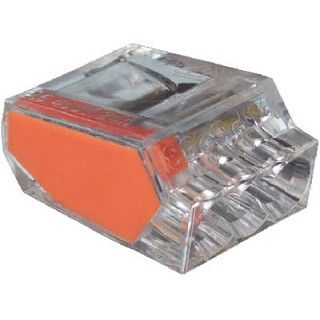
Push-in connectors shine in certain situations. If you are adding outlets, wiring lights, or making up a quick distribution block, they’re hard to beat. They are excellent for joining two or more solid copper wires in domestic or commercial installations.
These connectors are also handy when you need to join wires of different sizes. Each port holds a wire separately, so you avoid the “bird’s nest” effect of twisting many strands together. Some push-in connectors allow for several wires to be joined at once—often up to five or more.
Step-By-Step Guide to Splicing Copper Wires with Push-In Connectors
-
Strip the Wire
Cut and strip each copper wire to the manufacturer’s specified length. Usually, it’s about 10-12mm of bare copper. -
Inspect the Wire
Make sure each copper end is clean and straight. Damaged or oxidised copper may not grip well. -
Insert the Wire
Push each copper end firmly into its port. You should feel resistance as the internal clamp grabs the wire. -
Check the Connection
Tug each wire lightly. It should not pull out. Check the clear housing to ensure each wire is fully seated. -
Test the Circuit
Once all connections are made, restore power and test the join with your device or a multimeter.
What About Stranded Copper Wire?
Many push-in connectors are rated for solid copper only. Some models now accept both solid and stranded copper wires, but always check the packaging. Stranded wire is more flexible, so it needs a connector with a stronger or different type of clamp.
If in doubt, use a lever-style push-in connector, which has a stronger hold and is usually rated for both types.
Where Should You Avoid Push-In Connectors?
Push-in wire connectors have their limits. They may not suit high-vibration environments, such as motor connections or industrial machinery. Repeated movement can loosen some types, especially if installed carelessly. For very large wire sizes, you may need to use traditional mechanical lugs or crimps.
They are also not suitable for aluminium wire. Only use them for copper or copper-clad conductors, unless the packaging specifically mentions aluminium compatibility.
Push-in connectors must not be used outdoors or in wet locations unless they carry a waterproof or direct-burial rating. Always match the connector to your environment and the application.
Legal and Safety Requirements in the United States
US wiring regulations are strict and enforced nationwide. All electrical connections must use connectors approved for the specific application. Look for UL (Underwriters Laboratories) listings and always check the National Electrical Code (NEC) as well as local building codes if you’re unsure.
Never join copper wires with a connector that isn’t rated for your exact wire size or amperage. Using unapproved, off-brand, or counterfeit connectors can void warranties, jeopardize your insurance, and create serious safety risks. Always choose products that meet US standards for your own protection and peace of mind.
Pros and Cons Compared to Traditional Connectors
Push-in connectors are faster and neater than twist-on wire nuts. You get consistent results, even if you are new to wiring. Traditional connectors still have a place in heavy-duty work or where movement or vibration is a concern.
Twist-on connectors handle a wider range of wire sizes, while push-in connectors make small, multiple joins easier and less error-prone. Lever-style push-in connectors are especially versatile and can be reused, which is handy for repairs or temporary setups.
Real-World Scenarios
Electricians love push-in connectors for lighting upgrades, switchboard repairs, and kitchen or bathroom renovations. Homeowners appreciate how simple they are to use for DIY jobs, like replacing a power point or extending a lighting circuit.
In commercial settings, these connectors help speed up fitouts and save labour time, reducing costs for business owners. As with any connector, good preparation and proper installation make all the difference.
How Long Do Push-In Connectors Last?
Installed properly, push-in connectors last as long as the wiring itself. Quality brands use strong plastic and metal that resist heat, corrosion, and vibration. Some installations have lasted decades with no issues.
As with all wiring, inspect periodically for signs of damage or overheating. If you notice burnt marks, loose wires, or failure, replace the connector immediately.
Are Push-In Connectors Worth the Cost?
Push-in wire connectors usually cost a little more than traditional wire nuts. The time saved and the reduction in errors often justifies the extra spend, especially on larger projects or when reliability is critical.
When you need a fast, neat, and code-compliant copper splice, push-in connectors are an investment in convenience and safety.
For more insights and tips on cable ties and other related products, explore cabletiesunlimited.com, get a quick and free quote, and follow us on our social media communities on Facebook and Instagram!