Nothing ruins a trip or a day out faster than a broken bag or suitcase. Picture yourself halfway to the airport and the zipper fails, spilling your clothes in the car park. Maybe your work backpack strap snaps on the train. Or you grab your trusty gym bag only to find the main zip jammed and the handle threatening to tear off. You could panic, or you could reach for a simple item that solves dozens of gear disasters—a cable tie.
Most people think of cable ties as something for bundling wires or fixing things in the garage. In reality, cable ties shine as emergency repair tools. They save the day when bags and suitcases fail at the worst moment. Whether you need a temporary fix on a jammed zipper, a secure hold for a ripped handle, or a way to keep your suitcase shut after a lock breaks, cable ties deliver a reliable, low-cost solution. Here’s how you can use them to keep moving, avoid stress, and sidestep awkward moments at the baggage carousel.
Why Cable Ties Work So Well
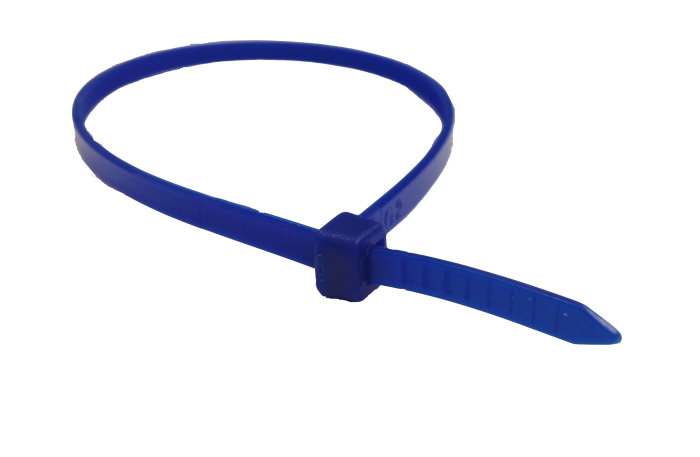
Cable ties are tough, light, and nearly invisible when you need to improvise a repair. You don’t need fancy tools. You don’t need sewing skills. All it takes is a cable tie and a little know-how.
The Key Advantages
Strength: Cable ties handle far more force than thread, tape, or even most glue.
Speed: You can make a repair in under a minute.
Versatility: Cable ties come in different lengths and thicknesses. You can always find one to fit your problem.
Security: Once locked, a cable tie stays put until you cut it free.
Portability: They take up almost no space in your bag or pocket.
When Should You Use a Cable Tie?
Anytime your bag, zipper, or suitcase suffers a sudden break and you need to keep going. While cable ties don’t restore brand-new looks, they keep your gear functional until you get home—or until you find a better fix. For travellers, parents, students, and anyone on the go, that’s often all you need.
Common Bag and Zipper Emergencies—and Fast Cable Tie Fixes
Let’s walk through some of the most annoying bag failures and how to solve them on the spot.
1. The Jammed or Broken Zipper
Zippers always seem to fail when you have no time to spare. The slider pulls off the track. Teeth get misaligned. The pull tab snaps. Whatever the cause, your bag won’t close. Here’s what to do:
The Classic “Lost Pull Tab”
You grab the zipper and suddenly the pull tab breaks off. Instead of fighting with a coin or your fingernail, thread a small cable tie through the slider’s eye. Tighten the tie just enough to make a loop for your finger. Clip the excess. Your new “pull tab” is sturdy, smooth, and won’t dig into your hand.
The Slider Pulls Off
If the slider falls off one end of the track, but the teeth remain, line up the teeth and push the slider back onto the edge. If it won’t stay on, use a cable tie around the fabric just above the slider—on the “closed” side—to prevent it from slipping off again. This trick buys time until you can replace the zipper.
Zipper Teeth Can’t Close
If the teeth are worn or the track won’t mesh, simply use a cable tie to clamp the two zipper heads together at the end. This keeps the bag closed. Use a longer cable tie and loop it through both zipper pulls, then tighten down and clip the end. It’s not elegant, but it holds the bag shut.
Zipper Splits in the Middle
A split zipper in the middle of a bag or suitcase is frustrating. Slide both heads together, align the teeth as best you can, then secure both pulls with a cable tie. It turns your two-way zip into a single fixed closure. As long as you don’t need to open and close the bag repeatedly, this fix holds everything in place.
2. The Broken Suitcase Lock
Airport security sometimes damages locks. Or maybe you lose the key or combination. With the bag stuck open, travel plans can go out the window. Enter the cable tie.
Securing a Suitcase
Thread a strong cable tie through both zipper pulls or the lock loops, then cinch it tight. Now, your suitcase is locked against accidental opening. Sure, it’s not as secure as a real lock, but it keeps your clothes inside and casual thieves out. At your destination, use nail clippers or a small multitool to cut it off.
The “Bonus” Security Feature
Using cable ties as suitcase locks has an unexpected benefit. If airport security needs to open your bag, they can cut the tie and leave a note. You’ll know if your luggage was checked, and you can spot any tampering. Bring a few extras for the return journey.
3. The Ripped Handle or Strap
Handles and shoulder straps take a beating. Sometimes stitching comes undone, or plastic rings snap. When you need to carry your bag, but the handle is hanging by a thread, a cable tie comes to the rescue.
Mending a Shoulder Strap
Feed a thick cable tie through the D-ring or strap attachment point, then around the loose end of the strap. Pull tight and trim. For a bit more comfort, double up with two cable ties, side by side. You won’t win fashion awards, but you’ll sling your bag over your shoulder and keep moving.
Reattaching a Torn Handle
If a suitcase or duffel handle tears loose, thread several cable ties through the fabric or webbing on both sides of the break. Cinch them tight so the handle sits as close to the original spot as possible. If the break is messy, use a spare shoelace or ribbon as padding under the cable tie to reduce friction.
Preventing Further Damage
A cable tie won’t restore lost stitching, but it will prevent the break from getting worse. Reinforce weak spots on your bag with a few cable ties before heading out if you notice loose threads or frayed straps.
Packing Your Cable Tie Repair Kit
Prepared travellers swear by a tiny “bag rescue kit.” Here’s what to keep handy:
Essential Items
A handful of cable ties: Various lengths, including a few thick and a few narrow.
Nail clippers or a small multitool: To trim off cable tie ends and remove them when needed.
A safety pin: Sometimes you can temporarily pin fabric together before using a cable tie.
A spare zipper pull: Even a small key ring can help.
A mini roll of duct tape: For quick repairs on rips or holes.
Everything fits in a snack-sized resealable bag and weighs almost nothing.
Pro Tip
Choose black or dark cable ties for business bags and luggage. Clear or brightly coloured ties work well for kid’s gear and are easy to spot when you need a fast fix.
Real-World Examples and Stories
The Conference Catastrophe:
Anna was in Paris for a conference when her suitcase zipper failed. Her presentation materials nearly scattered across the Metro. She looped two cable ties through the zipper heads, securing the suitcase for the rest of her trip. The fix even survived the baggage carousel.
School Backpack Emergency:
Mark’s son snapped a shoulder strap running for the bus. Mark doubled up two cable ties through the broken end and the D-ring. The repair held up for weeks, saving the cost of a new bag.
Lost Luggage Key:
Priya lost her suitcase lock key at the airport. She used a thick cable tie to secure her bag. When she arrived, airport security had checked her luggage, but everything stayed inside and untouched.
These stories play out every day. With cable ties on hand, a crisis becomes a quick win.
Extra Uses for Cable Ties with Bags and Travel Gear
Don’t stop at fixes—cable ties solve plenty of smaller problems, too.
Bundling charger cords or headphones in your backpack.
Securing water bottles to your gym bag.
Making an emergency luggage tag (loop a business card through).
Attaching ID tags when the strap breaks off.
Keeping shoes or flip-flops paired inside your suitcase.
You’ll find new uses almost every time you pack a bag or head out the door.
Tips for Best Results
Always trim the cable tie flush with the locking head. This prevents snagging and scratches.
Double up cable ties in high-stress areas. Two narrow ties are stronger than one wide tie.
Keep spares in your car, backpack, and luggage.
Check your bags for weak spots before big trips and reinforce them with cable ties as a precaution.
When to Upgrade from a Cable Tie Fix
Remember, a cable tie is a lifesaver in a pinch, but it’s not a permanent solution. If your suitcase or bag has repeated zipper splits, torn handles, or heavy wear, invest in a proper repair or replacement. Use cable ties to get home, but don’t expect them to hold forever.
If fabric is fraying badly or the bag’s structure is failing, retire it.
If you rely on the bag for daily commutes or travel, schedule a repair soon.
Save your cable tie fix for emergencies and last-minute travel hiccups.
Don’t Get Caught Unprepared
A handful of cable ties gives you peace of mind. You can fix zippers, handles, and even suitcase locks on the fly. You won’t worry about a wardrobe malfunction in the airport, or spilling your books on the way to work. The next time your bag fails, just loop, tighten, and keep moving. It’s the cheapest, fastest insurance policy you can carry.
Pack cable ties before your next big trip, and you’ll walk into any situation ready for whatever the world throws at you.
For more insights and tips on cable ties and other related products, explore cabletiesunlimited.com, get a quick and free quote, and follow us on our social media communities on Facebook and Instagram!
written By
Kyle Hinckley
Kyle Hinckley is a cable management specialist with over 15 years of experience in industrial and commercial
applications. He has helped hundreds of businesses optimize their cable infrastructure and improve workplace
organization.
About Cable Ties Unlimited
Cable Ties Unlimited represent one of the most cost-effective solutions for organization, repairs, and creative projects.
By thinking beyond their traditional use for cable management, you can discover hundreds of applications that
will save you time and money.
Get Expert Cable Management Tips
Join 10,000+ professionals receiving our weekly newsletter with industry insights, product guides, and
exclusive offers.


 Let’s walk through some of the most annoying bag failures and how to solve them on the spot.
 Airport security sometimes damages locks. Or maybe you lose the key or combination. With the bag stuck open, travel plans can go out the window. Enter the cable tie.