Cold weather changes how cable ties behave. Nylon stiffens, gloves reduce dexterity, and ice or snow increases handling risks. These conditions make safe installation more challenging for field technicians. This guide explains how to handle cable ties safely with gloves in cold weather. It covers winter hazards, grip techniques, material selection, and installation methods that reduce strain and prevent breakage.
Why Cold Weather Makes Cable Tie Handling More Difficult
Cable ties behave differently once temperatures drop. They lose flexibility, become harder to tighten, and snap under pressure that would not matter in warmer months.
Gloves protect your hands, but they also reduce control and tactile sensitivity.
Reduced Flexibility in Cable Ties
Nylon stiffens in freezing temperatures. Stiff cable ties crack when bent or twisted.
This brittleness increases the chance of breakage during installation.
Lower Dexterity When Wearing Gloves
Winter gloves limit finger movement. They reduce grip strength and fine control.
Handling small locking heads becomes harder, especially with thick, insulated gloves.
Moisture Interference
Snow or ice on cable ties reduces grip. Wet ties slip from gloved hands.
Cold moisture also makes nylon harder to manipulate.
Understanding the Safety Risks
Handling cable ties in cold weather involves more than breakage concerns. Winter conditions introduce real risks for technicians.
Awareness helps prevent accidents.
Risk of Hand Injury
Cold weather increases stiffness in both cable ties and gloves.
Pulling too hard can cause cuts, wrist strain, or sudden slips.
Risk of Tie Failure
Cold-brittle ties break under moderate tension.
A snapped tie can whip back toward the face or hands.
Slips and Drops
Icy gloves and surfaces increase the odds of losing control of tools.
Secure footing and grip stability matter more in winter environments.
Choosing the Right Gloves for Cable Tie Work
Not all gloves are suited for winter cable tie handling. You need insulation without sacrificing dexterity.
Selecting the proper glove reduces stress and improves speed.
Use Gloves Designed for Grip
Gloves with textured palms improve traction on stiff cable ties.
Grip surfaces help you pull ties tight without slipping.
Maintain Flexibility
Choose gloves that balance warmth and movement.
Thick gloves reduce control, while thin gloves expose you to cold.
Water-Resistant Options
Moisture makes gloves slippery and cold.
Water-resistant gloves prevent heat loss and maintain grip.
Preparing Cable Ties for Winter Handling
Proper preparation reduces handling difficulty. Start with winter-ready materials and clean working conditions.
Preparation improves both safety and tie performance.
Use Cold-Rated Cable Ties
Cold-rated ties stay flexible in freezing temperatures.
They handle bending and tension better than standard nylon.
Keep Ties Dry Before Use
Dry ties bend more smoothly and grip better.
Store ties away from snow, ice, and condensation.
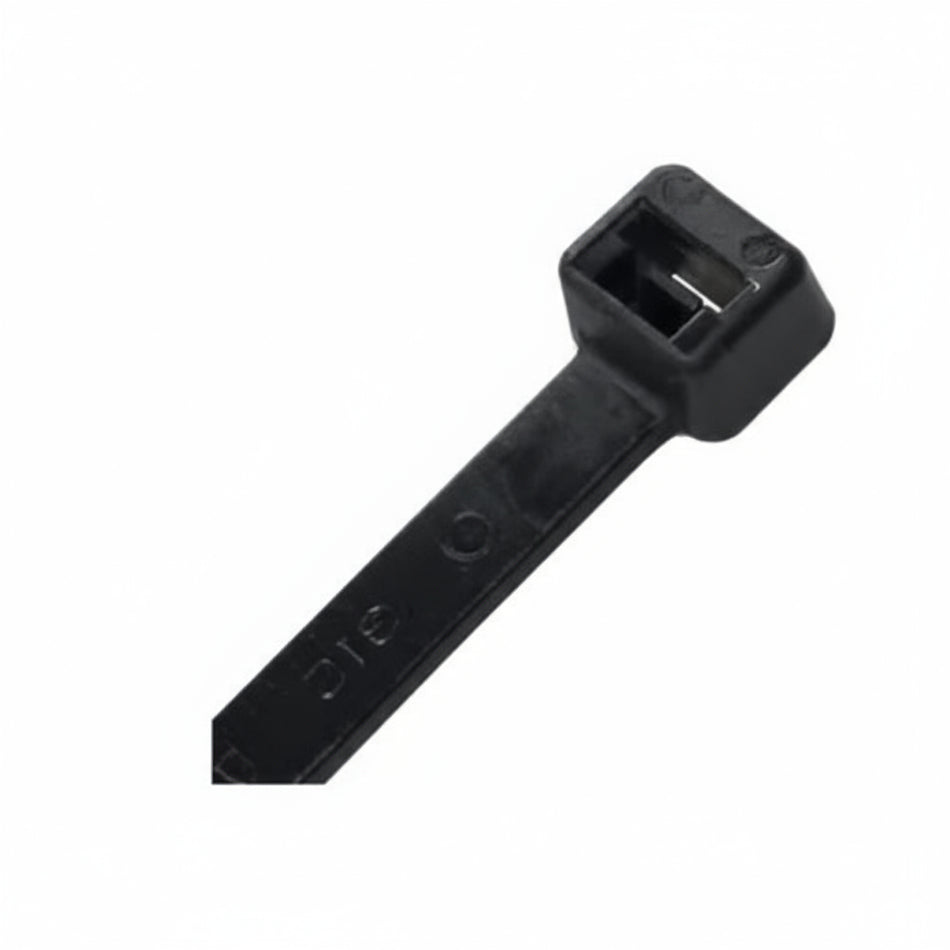
Handling ties with gloves requires deliberate technique. Small adjustments make winter installation faster and safer.
Adopt methods that minimize force and maximize control.
Pinch the Tie Head Firmly
Gloved fingers need more surface contact.
Pinch the locking head between thumb and first finger for best stability.
Use Wrist Movement Instead of Finger Force
Cold restricts finger strength.
Use wrist rotation to tighten ties smoothly without overexertion.
Keep the Tie Aligned
Misalignment increases friction and break risk.
Ensure the strap enters the locking head straight.
Helpful Handling Tips
• Grip with the palm, not only fingertips
• Tighten slowly to avoid sudden snapping
Installing Cable Ties in Harsh Winter Environments
Installation becomes more challenging when wind, snow, or ice interfere.
Work with steady motions and secure footing.
Work in Wind-Sheltered Areas When Possible
Wind chills the gloves and stiffens cable ties faster.
Finding cover improves handling and safety.
Clear Snow From Work Surfaces
Snow hides bends and obstacles.
Clear surfaces prevent accidental strain on cold ties.
Use Two-Glove Layering Technique
A thin inner glove preserves dexterity.
A thicker outer glove provides insulation.
Securing Cables With Ties in Cold Weather
Cable management requires stability. Winter conditions increase cable rigidity and tension.
Use safe techniques to avoid damaging cables or ties.
Avoid Over-Tightening
Cold cables become brittle and crack when compressed.
Tighten ties only until snug.
Support the Cable Bundle With Both Hands
Supporting the bundle reduces strain on the tie.
Proper support lowers the chance of tie failure.
Space Ties Evenly
Even spacing distributes load and reduces stress.
Crowded tie placement increases friction and breakage.
Working With Tools While Wearing Gloves
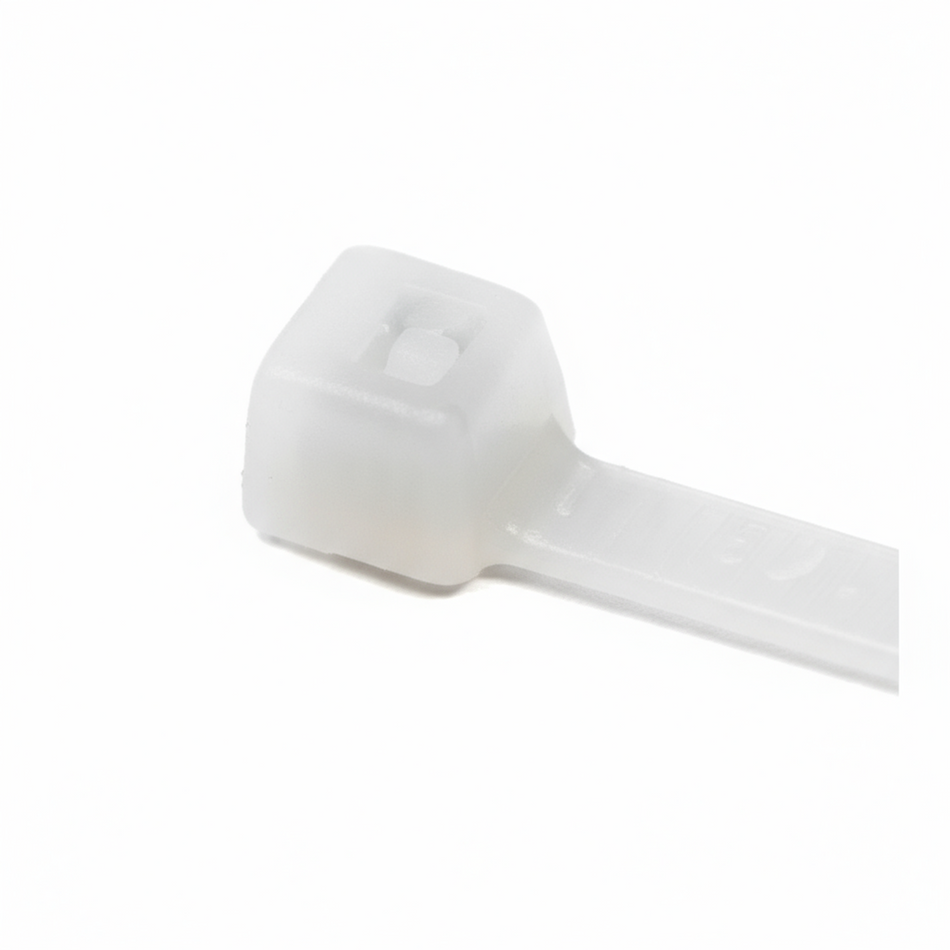
Tools help when manual dexterity drops. Proper use prevents injury and improves tie performance in the cold.
Choose tools that function well with gloves.
Use a Tie-Tensioning Tool for Precision
Tensioning tools maintain consistent pressure.
They prevent over-tightening and reduce hand fatigue.
Cold metal absorbs heat from gloves.
Store tools inside pockets or insulated bags when not in use.
Preventing Tie Breakage During Winter
Winter breakage often follows predictable patterns. Addressing these issues prevents installation failures.
Pay attention to tension, angle, and environmental exposure.
Warm the Ties Slightly Before Use
Warm ties flex more easily.
Keep them in a coat pocket or heated container before installation.
Install Ties Using Slow, Even Pressure
Rapid pulling stresses cold nylon.
Slow tensioning reduces the chance of snapping.
Avoid Sharp Mounting Edges
Sharp edges cut into cold, brittle ties.
Round edges or use protective sleeves.
Maintaining Safety While Working Outdoors
Cold environments demand higher situational awareness.
Balance tie handling with overall winter safety.
Keep Hands Warm Between Tasks
Cold hands fatigue faster and lose grip strength.
Warm your hands regularly to maintain control.
Watch for Ice Underfoot
Slips compromise installation quality and personal safety.
Work on cleared, salted, or stable surfaces.
Manage Exposure Time
Take breaks during extreme cold.
Long exposure reduces fine motor control and increases mistakes.
Inspecting Installed Cable Ties During Winter
Inspection ensures long-term performance. Winter stress can weaken ties quickly.
Check critical areas often.
Look for Stress Lines
Cold-induced stress appears as white marks.
Replace ties showing early signs of cracking.
Confirm Tension Stability
Cold temperatures may loosen improperly installed ties.
Re-tighten ties that sag or shift.
Check Anchor Points
Frozen mounts shift under ice movement.
Inspect anchor locations for cracking or deformation.
Replacing Damaged Ties Safely in Cold Weather
Replacement requires careful handling to avoid damaging nearby cables.
Use controlled movements and winter-friendly tools.
Cut Old Ties With Proper Tools
Do not twist brittle ties by hand.
Use flush cutters to avoid cable damage.
Install New Ties Correctly
Follow steady tensioning to prevent breakage.
Check alignment throughout installation.
Add Protective Sleeving if Needed
Sleeving reduces abrasion and improves winter durability.
Protective layers help ties survive repeat cold exposure.
Common Mistakes to Avoid When Using Gloves
Gloves change your technique. Avoiding common mistakes prevents frustration and breakage.
Adjust your movements for cold conditions.
Over-Gripping the Tie
Excess grip pressure bends stiff nylon.
Use firm but controlled pressure.
Using Gloves That Are Too Thick
Overly thick gloves cause loss of control.
Choose gloves balanced between warmth and precision.
Ignoring Tie Temperature Limits
Standard ties fail under extreme cold.
Use cold-rated ties when temperatures drop below freezing.
Creating a Winter Cable Tie Handling Plan
A handling plan improves consistency and safety for crews working in cold weather.
Include preparation, materials, and inspection routines.
Key Elements of a Winter Plan
Use cold-rated ties, maintain glove dexterity, warm ties before use, and inspect installations regularly.
Train crews to use correct tension and safe handling techniques.
Final Thoughts
Cold weather reduces dexterity, stiffens cable ties, and increases breakage risk. Handling ties safely with gloves requires proper materials, steady technique, and smart winter planning. When you pair cold-rated ties with careful installation and ongoing inspection, your cable systems remain reliable through the toughest conditions.
These habits help technicians work faster, safer, and with better results during winter.
For more insights and tips on cable ties and other related products, explore cabletiesunlimited.com, get a quick and free quote, and follow us on our social media communities on Facebook and Instagram!
written By
Kyle Hinckley
Kyle Hinckley is a cable management specialist with over 15 years of experience in industrial and commercial
applications. He has helped hundreds of businesses optimize their cable infrastructure and improve workplace
organization.
About Cable Ties Unlimited
Cable Ties Unlimited represent one of the most cost-effective solutions for organization, repairs, and creative projects.
By thinking beyond their traditional use for cable management, you can discover hundreds of applications that
will save you time and money.
Get Expert Cable Management Tips
Join 10,000+ professionals receiving our weekly newsletter with industry insights, product guides, and
exclusive offers.


 Handling ties with gloves requires deliberate technique. Small adjustments make winter installation faster and safer.
Adopt methods that minimize force and maximize control.
Handling ties with gloves requires deliberate technique. Small adjustments make winter installation faster and safer.
Adopt methods that minimize force and maximize control.
 Tools help when manual dexterity drops. Proper use prevents injury and improves tie performance in the cold.
Choose tools that function well with gloves.
Tools help when manual dexterity drops. Proper use prevents injury and improves tie performance in the cold.
Choose tools that function well with gloves.