

Cable ties look simple, but their performance depends heavily on temperature. The rating on the packaging is not just a technical detail. It directly affects whether a tie stays strong, becomes brittle, or softens under pressure. Standard nylon 6/6 cable ties work between –40 °F and 185 °F. Within this range, they keep strength and flexibility. Outside it, they risk breaking or deforming. Understanding how temperature rating affects cable tie performance ensures your projects remain safe, reliable, and efficient.
The Meaning of Temperature Ratings
Manufacturers test cable ties in controlled labs. The published rating reflects the range where ties retain their mechanical integrity. –40 °F is the point where nylon 6/6 remains flexible enough to avoid cracking. 185 °F is the temperature where the tie keeps grip without softening or stretching. Beyond this range, ties weaken. Knowing this helps you decide which tie material matches your environment.
Cold Temperature Effects
Cold air stiffens plastic. Nylon loses flexibility when exposed to freezing weather. Below –40 °F, ties can crack if bent or stressed. The locking mechanism may snap or fail to hold tension. Installers often notice this when working outdoors in winter. If you must secure cables in subzero environments, choose specialty low-temperature or heat-stabilized nylon ties. They maintain strength when standard nylon fails. Cold conditions prove how temperature rating affects cable tie performance.
Heat Temperature Effects
Heat has the opposite effect. At high temperatures, nylon softens. Around 185 °F, standard nylon may begin to lose tensile strength. Under tension, the tie stretches or slips. Prolonged exposure near engines, ducts, or hot equipment accelerates this weakness. If your project includes these environments, use heat-stabilized ties. They maintain performance beyond 185 °F, reducing the risk of failure.
The Range of Standard Nylon
Most nylon 6/6 cable ties sit in the –40 °F to 185 °F range. This makes them useful for most residential and commercial projects. Indoor wiring, office data setups, or light outdoor use all fall within this window. However, projects in extreme climates or near heat sources need upgraded materials. That is why many professionals keep both standard and specialty ties available.
Specialty Materials Extend Performance
Manufacturers produce cable ties in advanced materials for environments outside the basic range. These include:
- Heat-stabilized nylon: Maintains integrity above 185 °F for use in automotive and industrial areas
- UV-stabilized nylon: Protects ties from sunlight damage while maintaining rated performance
- Fluoropolymer ties: Resist chemicals and heat, ideal for harsh industries
- PEEK (polyetheretherketone): Withstands –67 °F to over 400 °F, used in aerospace, offshore, and transportation
Where Light and Heat Matter Most
You may not think of cable ties as mission-critical. But when they fail, systems fail. Consider a few examples:
- Freezers and cold storage: Standard ties crack when bent in deep cold. Heat-stabilized or specialty low-temperature ties prevent failures.
- Automotive wiring: Engine bays regularly exceed 185 °F. Standard ties soften and slip. Heat-rated nylon or stainless steel versions hold better.
- Outdoor telecom: Sunlight and temperature swings stress cables. UV-stabilized ties survive where standard nylon would degrade.
These examples prove how temperature rating affects cable tie performance across industries.
Installation Tips in Extreme Conditions
Even the right tie needs correct handling. Temperature changes make installation trickier. Follow these practices to improve success:
- Install ties at room temperature whenever possible
- Avoid overtightening ties in cold weather when nylon is brittle
- Use tensioning tools to apply even pressure
- Cut tails with flush cutters to prevent stress points
- Select UV-stabilized versions if working outdoors in sun and heat
Good installation helps ties last longer in both hot and cold environments.
Why Ratings Matter for Safety
Loose or broken ties risk more than messy wires. They can cause short circuits, overheating, or equipment failure. In construction, a failed tie may drop a cable bundle, risking injury. In data centers, one loose tie can create expensive downtime. Temperature ratings protect against these risks. They give installers confidence that their work will last.
Heat-Rated Cable Tie Options at Cable Ties Unlimited
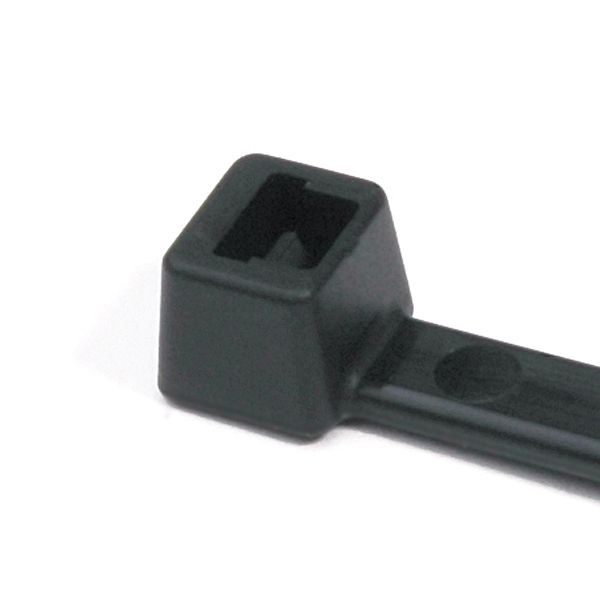
Cable Ties Unlimited offers a strong lineup of cable ties designed to endure high temperatures—from daily heat exposure to extreme industrial heat. Two major categories stand out:
Heat-Stabilized Cable Ties
These are engineered so standard nylon can maintain strength even in hot settings. Available in popular sizes like the 4" 18 lb Heat-Stabilized Cable Tie, they typically come in UV-resistant black. Their robust one-piece construction ensures consistent, reliable performance.
For tougher demands, the 11" 50 lb UV Black Heat-Stabilized Nylon Tie offers greater strength and extended durability. Technical resources note that heat-stabilized nylon ties can endure up to 250 °F (121 °C).
Extreme Temperature Cable Ties
For all-weather or industrial outdoor use, the 12" 50 lb Extreme Temperature UV Cable Tie holds up under rain, ice, heat, and sunlight exposure. It delivers reliable -40 °F to 185 °F performance with 50 lb tensile strength and a UL 94 V-2 flammability rating, making it a lasting solution for exposed wiring.
HellermannTyton High-Temp Ties
Cable Ties Unlimited also stocks HellermannTyton High-Temp Cable Ties. These are made from PA66HS nylon, UL rated, and built for environments demanding higher durability under intense heat.
Why Our Heat-Rated Selection Stands Out
- Multiple temperature thresholds: From modest heat (250 °F) to intense industrial conditions, options cover a wide thermal range
- Trusted brands: Staples like HellermannTyton enhance reliability
- UV protection: Many ties also resist sunlight, adding weather durability
- UL compliance: Ensures they meet critical safety and flammability standards
Cost Versus Value
Standard ties cost less, but may fail in heat or cold. Replacing failed ties costs more in the long run. Specialty ties cost more up front, but they provide long-term value. They prevent damage, downtime, and costly repairs. That trade-off shows why ratings matter.
Future of Temperature-Rated Cable Ties
Innovation is expanding the limits. Biodegradable plastics and reusable designs are appearing. Smart ties with identification or monitoring systems are in development. Temperature performance remains central. Future ties may automatically adjust grip based on thermal conditions. The evolution continues, but the principle remains: temperature rating affects cable tie performance every time they face heat or cold.
Conclusion
Temperature ratings are not small details. They are crucial to safety and durability. Standard nylon ties cover –40 °F to 185 °F, but specialized environments demand more. Choosing the right tie means assessing the environment, load, and risk. Cable Ties Unlimited offers solutions for every condition. Understanding how temperature rating affects cable tie performance makes your projects safer, more reliable, and more efficient.
For more insights and tips on cable ties and other related products, explore cabletiesunlimited.com, get a quick and free quote, and follow us on our social media communities on Facebook and Instagram!