

Cable ties are simple, reliable, and everywhere. They keep wires neat in homes, offices, cars, data centers, and construction sites. Yet the moment comes when you need to take them off. Doing this carelessly can cut into insulation, scrape protective coatings, or even snap delicate fiber optics. Learning how to remove cable ties without damaging cables saves money, prevents downtime, and protects your equipment.
This guide explains why careful removal matters, what tools you can use, and step-by-step techniques. You will also see industry examples, safety reminders, and clever tips that apply to both professionals and everyday users.
Why You Need to Remove Cable Ties Without Damaging Cables
Cable ties grip tightly by design. That strength becomes a risk when you need to access or adjust bundled wires. If you cut blindly with a knife or scissors, you might slice through the tie and the insulation underneath. Damaged insulation creates hazards ranging from short circuits to data transmission errors.
When you remove cable ties without damaging cables, you avoid:
- Electrical hazards: Exposed wires can spark or overheat.
- Data loss: Fiber optics and network cables fail when nicked.
- Repair costs: Damaged cables often need replacement.
- Downtime: In business or industrial settings, downtime can be costly.
Tools That Help You Remove Cable Ties Without Damaging Cables
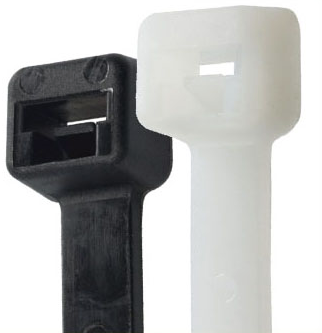
The right tool makes all the difference. Each option offers more control than a kitchen knife or craft scissors. Professionals and DIY users alike rely on specific tools that remove cable ties without damaging cables.
Flush Cutters
Flush cutters are pliers designed to cut flat. They let you snip the tie close to its head while steering clear of the wires. Because the blades line up evenly, they minimize sharp edges that could scratch.
Cable Tie Removal Tools
Specialty tools exist for one purpose: to remove cable ties without damaging cables. They have a hooked edge that slides under the tie and a lever that slices the plastic cleanly. Electricians and data center technicians often carry them.
Safety Scissors
Blunt-tip scissors protect against slips. They work well for larger bundles where you can create a gap between the tie and the cable.
Small Screwdrivers or Picks
If you want to release reusable or releasable ties, a small flathead screwdriver can press the locking tab. This option lets you remove cable ties without damaging cables and reuse them later.
Step-by-Step Methods to Remove Cable Ties Without Damaging Cables
Different situations call for different methods. Here are the most reliable approaches to remove cable ties without damaging cables.
Method 1: Cut the Tie Cleanly
- Identify the cable tie head.
- Position your flush cutters or cable tie tool against the tie.
- Cut close to the head without touching the cable sheath.
- Pull the tie away carefully.
This method is fast and safe for most applications.
Method 2: Release the Locking Tab
- Locate the small tab inside the cable tie head.
- Insert a small flat screwdriver or pick under the tab.
- Lift the tab while gently pulling the tail of the tie.
- Slide the tie free.
This lets you remove cable ties without damaging cables and reuse the tie.
Method 3: Create Space Before Cutting
- Use your fingers to wiggle the tie away from the bundle.
- Insert blunt scissors or cutters into the gap.
- Cut the tie while keeping the blades angled outward.
- Pull the tie free.
This method is ideal when cables are tightly packed.
Industry Practices for Removing Cable Ties Without Damaging Cables
Every industry has its own stakes when handling wiring. Here are some professional approaches that highlight why the right technique matters.
Data Centers
Server racks often contain thousands of cables. Cutting one network line accidentally can knock an entire system offline. Technicians always use tie removal tools and avoid sharp knives. They document and label before they remove cable ties without damaging cables.
Automotive and Aerospace
Wiring harnesses in cars or planes must remain intact for safety. Mechanics use flush cutters and sometimes heat-resistant tools. They remove cable ties without damaging cables because even small nicks could cause electrical fires.
Construction and Electrical Work
On building sites, cables run long distances. Electricians use specialized cutters with insulation grips. They train apprentices to remove cable ties without damaging cables as part of basic safety education.
Household and DIY Ways to Remove Cable Ties Without Damaging Cables
You might not run a data center, but you probably use cable ties at home. From charging cords to garden projects, you still need to free cables safely. Here are some everyday examples.
- Home office: When rearranging your computer setup, use scissors with a blunt tip to remove cable ties without damaging cables.
- Gardening: Plants tied with reusable ties can be released using a flat screwdriver, keeping both the tie and the plant safe.
- Camping gear: Secure bundles of rope or tent poles with ties. Later, cut them carefully with a multi-tool to remove cable ties without damaging cables.
These everyday examples show the same principle: control the cut and protect what lies underneath.
Safety Reminders While You Remove Cable Ties Without Damaging Cables
Even the safest method carries risk if rushed. Keep these reminders in mind whenever you remove cable ties without damaging cables.
- Work in good light.
- Stabilize the cable bundle with your free hand.
- Point blades away from the cables.
- Wear gloves if working with metal ties.
- Dispose of cut ties properly to prevent sharp plastic edges from causing injury.
Advanced Tips for Professionals Who Remove Cable Ties Without Damaging Cables
For those who deal with complex wiring daily, efficiency and precision matter. Here are advanced insights:
- Rotate the bundle: If one side feels crowded, turn the bundle for a better angle.
- Use labeling: Before you remove cable ties without damaging cables, mark cable groups to keep them organized.
- Practice on spares: Train apprentices on scrap bundles to build confidence with the tools.
- Choose the right tie type: Releasable ties save time when you know you will need to remove them later.
Seasonal Maintenance: Why You Should Remove Cable Ties Without Damaging Cables
Autumn is the season when many households and businesses reorganize. Outdoor wiring, garden tools, and seasonal decorations often need adjustment. This is the perfect time to remove cable ties without damaging cables and prepare equipment for winter.
- Outdoor lighting: As you change from summer to autumn lights, use scissors to remove cable ties without damaging cables.
- Garden storage: Bundle hoses and secure tarps with ties. Later, remove cable ties without damaging cables to reuse them next spring.
- Heating equipment: When unpacking heaters, check cords. Remove old ties without damaging cables before setting them up.
Seasonal prep highlights how a small tool and a careful method make life easier.
The Future of Tools That Remove Cable Ties Without Damaging Cables
Manufacturers now design specialized devices to simplify this task. Some use ergonomic grips, while others offer adjustable blades that stop short of insulation. Expect future innovations to make it even easier to remove cable ties without damaging cables. Reusable and biodegradable ties will also grow in popularity, reducing waste while supporting sustainable practices.
Conclusion
Cable ties are indispensable, but they require careful removal. Whether you manage server racks, repair cars, or tidy up your home, the principle stays the same. Always use the right tool, take your time, and apply controlled methods. When you remove cable ties without damaging cables, you save money, protect your equipment, and prevent accidents.
Simple as it sounds, this small skill makes a big difference across industries and households. Master it, and your cables will always remain safe, organized, and ready for the next task.
For more insights and tips on cable ties and other related products, explore cabletiesunlimited.com, get a quick and free quote, and follow us on our social media communities on Facebook and Instagram!