

Extension cords are often a necessity in outdoor spaces. Whether you’re powering holiday lights, running tools for a garden project, or setting up temporary lighting along a pathway, cords help extend electricity where you need it. The problem? Loose cords lying across the ground create tripping hazards, expose wiring to moisture, and often look messy.
One of the easiest ways to keep extension cords safe, neat, and functional is by securing them along fences with zip ties. This simple method prevents cords from tangling, protects them from damage, and keeps walkways clear. It’s a quick, low-cost solution that anyone can manage without advanced tools.
Why Extension Cords Need Securing
Extension cords are durable but not invincible. When left loose:
- They become tripping hazards: People, pets, or children may stumble over cords running across yards.
- They’re exposed to damage: Lawn mowers, pets, and even weather can fray the insulation.
- They tangle and kink: Loose cords knot easily, which shortens their lifespan.
- They look untidy: Messy cords distract from seasonal displays or landscaping.
Securing them to fences keeps them elevated, visible, and protected.
Why Use Zip Ties Instead of Other Methods
There are multiple ways to fasten cords, but zip ties offer several advantages:
- Fast installation: Securing cords with ties takes minutes.
- Strong hold: Ties grip firmly and prevent cords from slipping.
- Weather-resistant: UV-stabilised ties stand up to sun and rain.
- Non-damaging: They don’t require nails, screws, or adhesives that could harm the fence.
- Clean appearance: Trimmed ties are discreet and tidy.
- Affordable: A pack of ties is far cheaper than brackets or clips.
Reusable zip ties also allow easy repositioning when your layout changes.
Tools and Materials You’ll Need
- Extension cords rated for outdoor use
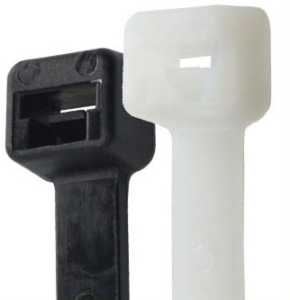
- UV-resistant zip ties (8–11 inches for most fences)
- Scissors or wire cutters
- Optional: cord covers or split tubing for added protection
Step-by-Step: How to Secure Extension Cords Along Fences with Zip Ties

Step 1: Plan the Path
Decide where the cord will run. The path should be direct, avoid sharp bends, and keep the cord clear of gates or moving parts.
Step 2: Place the Cord Against the Fence
Lay the cord against the fence, aligning it with rails, posts, or slats. Keep it slightly elevated off the ground to reduce water exposure.
Step 3: Thread a Zip Tie Around the Cord and Fence
Wrap a zip tie around both the cord and fence structure. Pull it snug but not overly tight. Over-tightening may compress the cord insulation.
Step 4: Space the Ties Evenly
Use ties every 12 to 18 inches for horizontal runs. For vertical runs, place ties closer together to prevent sagging.
Step 5: Trim the Excess
Cut the tails of the zip ties for a clean finish. This also prevents sharp edges from scratching skin or snagging clothes.
Step 6: Check Slack Near Outlets
Leave a small loop of slack near outlets and devices. This prevents stress on the cord ends, which are common failure points.
Step 7: Test the Setup
Plug in the cord and confirm it operates normally without strain or interference.
Tips for Long-Term Safety
- Always use outdoor-rated extension cords for outside projects. Indoor cords are not designed for moisture or UV exposure.
- Choose black UV-stabilised zip ties to prevent brittleness in the sun.
- Avoid running cords where gates swing open, as this can pinch or cut the insulation.
- Keep cords slightly off the ground to prevent water pooling around them.
- Consider reusable zip ties if you frequently change seasonal setups like holiday lighting.
Seasonal Uses for This Method
Autumn
Power leaf blowers, decorative lanterns, or Halloween displays without messy cords lying across the yard. Zip ties keep everything secure and safe for visitors.
Winter
Christmas lights, inflatable decorations, or heated water bowls for animals often need electricity. Securing cords along fences prevents snow from burying and damaging them.
Spring
Garden projects involving power tools or water pumps run more smoothly when cords are elevated and out of the way.
Summer
Outdoor parties, string lights, or pool pumps benefit from neatly arranged extension cords.
Why Zip Ties Outperform Other Options
Adhesive clips: Often fall off in weather changes and may leave residue.
Nails or screws: Damage fences and are time-consuming to install.
Twist ties or string: Weaken quickly and fail in wind or rain.
Zip ties: Weather-resistant, non-damaging, easy to replace, and cost-effective.
Extra Protection for Extension Cords
If cords will remain in place for long periods, consider additional safeguards:
- Cord protectors: Split tubing or cable sleeves shield against chewing pets.
- GFCI outlets: Always plug outdoor cords into a ground fault circuit interrupter outlet for safety.
- Weatherproof covers: Use protective covers for outdoor connections.
These steps, combined with zip ties, ensure safety and longevity.
Case Example: Holiday Lighting Setup
A homeowner installing Christmas lights along a wooden fence used extension cords to power both sides of the yard. Instead of running cords across the lawn, they secured them along the fence rails using black UV-resistant zip ties every 16 inches. The cords stayed neat, elevated above snow, and invisible against the dark fence. When spring came, they simply cut the ties and removed the cords in minutes.
This method saved time, reduced tripping risks, and eliminated the need for permanent hooks or clips.
Sustainability Considerations
Using zip ties responsibly reduces waste:
- Opt for reusable zip ties for seasonal setups.
- Consider biodegradable options where available.
- Replace only the worn or brittle ties instead of removing all at once.
- Repurpose cut ties for non-critical uses like bundling small items.
Practicality and sustainability can work together when you choose ties wisely.
Wrapping Up
Securing extension cords along fences keeps outdoor spaces safe, organised, and functional. Zip ties provide the perfect solution: they’re quick to apply, weather-resistant, affordable, and non-damaging. By spacing them evenly, leaving slack where needed, and trimming excess ends, you create a neat and durable setup that protects both the cord and anyone using the yard.
Whether you’re decorating for the holidays, running outdoor tools, or powering garden features, zip ties transform messy cords into a clean, safe installation. It’s a simple upgrade that makes everyday tasks easier and safer.
For more insights and tips on cable ties and other related products, explore cabletiesunlimited.com, get a quick and free quote, and follow us on our social media communities on Facebook and Instagram!