

Industrial environments rely on fast, reliable ways to secure cables, components, and equipment. Releasable fasteners provide strong holding power while allowing technicians to remove or adjust them without cutting. This flexibility solves problems that standard single-use ties cannot address. This guide explores the industrial applications that gain the most from releasable fasteners. It outlines why these fasteners matter, how they reduce maintenance time, and where they provide long-term advantages across demanding worksites.
Why Releasable Fasteners Matter in Industry
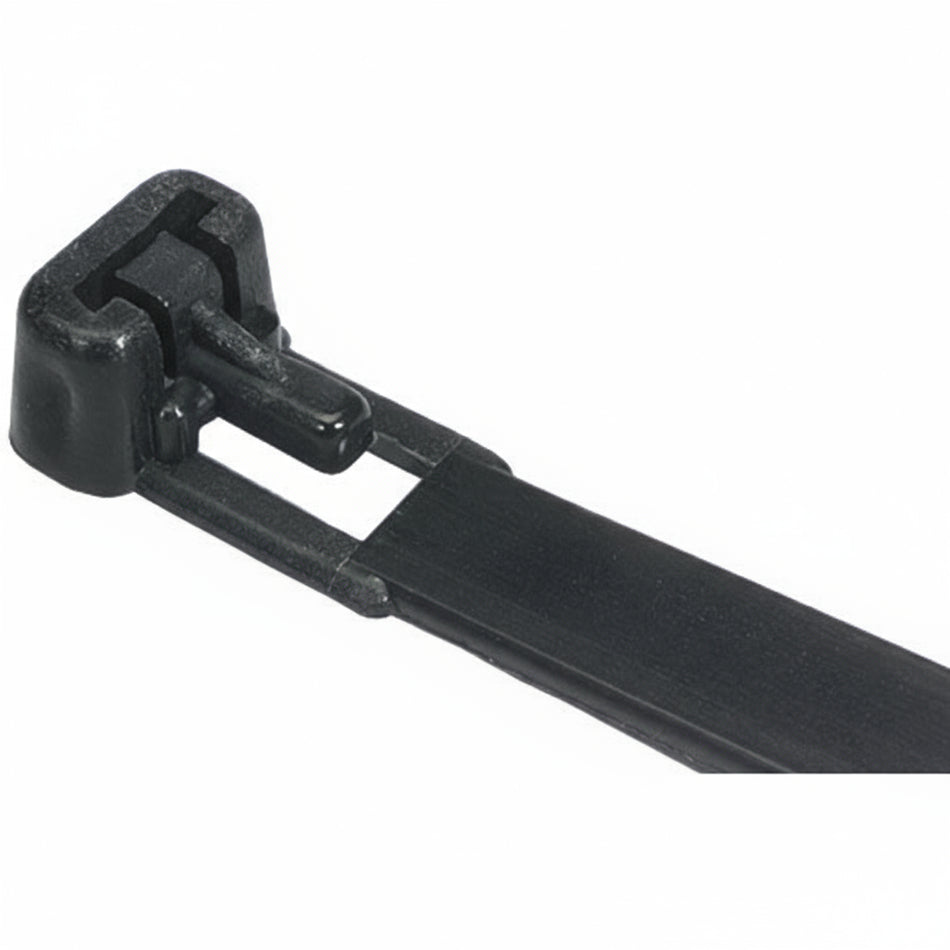
Releasable fasteners lock securely but open when needed. This makes them ideal for systems that change, expand, or require frequent inspection. They allow technicians to rework connections without damaging cables. Their design supports repeated tightening, repositioning, and re-routing. This reduces waste and cuts installation time during upgrades or maintenance cycles.
Mechanical Advantage
Releasable fasteners use a locking mechanism that holds tension under load. The release tab allows a controlled unlock without cutting the strap. This saves time, protects cables, and supports long-term changes.
Manufacturing Environments
Manufacturing facilities often reconfigure lines and adjust machinery. Releasable fasteners support these changes without interrupting work.
Adjustable Cable Routing
Cable runs shift when machines move or new equipment comes online. Releasable ties let technicians update routing paths without replacing hardware.
Prototyping and Testing
Prototype setups change often. Releasable fasteners allow repeated adjustments while keeping wires stable. Teams save time and maintain cleaner test environments.
Temporary Fixtures
Manufacturers often add temporary sensors or diagnostic equipment. Releasable fasteners hold these components securely and release cleanly when testing ends.
Electrical Contracting and Maintenance
Electricians work with systems that require periodic updates. Releasable fasteners simplify each stage.
Electrical Panel Work
Wiring inside panels changes often during upgrades or repairs. Releasable ties support neat bundling and easy reorganisation.
Lighting Systems
Lighting grids in industrial buildings or warehouses may shift for renovations or layout changes. Releasable fasteners make it easy to adjust connections and support cables during repositioning.
Tracing and Identifying Faults
Technicians often need to open bundles to find faults. Releasable fasteners allow access without cutting ties or damaging cable jackets.
Telecommunications and Data Infrastructure
 Data centres and telecom sites change their layouts and cable routes regularly. Releasable fasteners help these environments stay organised.
Server Rack Management
Rack layouts change as hardware evolves. Releasable ties allow clean cable management that adapts to new systems.
Fibre Optic Routing
Fibre requires gentle handling. Releasable fasteners maintain secure support while allowing safe repositioning when circuits move.
Large-Scale Network Installs
Installers use releasable ties to test configurations before locking in permanent solutions. This flexibility improves accuracy and reduces waste. Learn more: Polyamide Releasable Cable Ties: The Ultimate Solution for Temporary Fastening.
Renewable Energy Sites
Solar and wind installations change and expand over time. Releasable fasteners help technicians manage outdoor cables during maintenance.
Solar Array Wiring
Solar panels often receive upgrades or rewiring during inverter changes. Releasable ties make outdoor cable adjustments faster and safer.
Wind Turbine Cabling
Wind turbines have internal cables that require routine checks. Releasable fasteners support maintenance without constant replacement.
Battery Storage Facilities
Battery systems evolve with load demands. Releasable ties simplify cable changes and reduce downtime.
Rail and Transport Infrastructure
Transport systems depend on reliable cable organisation but still need access for repairs.
Trackside Communication Cables
Technicians open and adjust bundles during upgrades or expansions. Releasable fasteners reduce cutting and preserve cables.
Station Equipment
Displays, sensors, and security systems change layouts over time. Releasable ties hold cables securely and release cleanly when equipment moves.
Vehicle Maintenance
Rail vehicles and buses contain cable bundles that need periodic inspection. Releasable fasteners protect wiring during maintenance cycles.
Construction Sites
Construction environments change fast. Releasable fasteners deliver strength and adjustability.
Temporary Wiring
Temporary lighting, sensors, and tools need adjustable support. Releasable ties hold these items without committing to permanent placement.
Scaffolding and Site Cabling
Cables shift as scaffolding moves. Releasable fasteners make repositioning efficient.
Tool and Hose Management
Releasable ties help organise hoses, cords, and pneumatic lines. Workers can undo and reposition fasteners in seconds.
Automotive and Heavy Equipment
 Vehicles and machinery require routine adjustments to wiring and hose routing.
Diagnostic Work
Technicians often need to open harnesses to test circuits. Releasable fasteners provide easy access.
Prototyping New Vehicle Models
Prototyping involves constant re-routing of sensors and test wires. Releasable ties support this without waste.
Aftermarket Modifications
Customisations need flexible routing paths. Releasable fasteners secure new modules and accessories.
Aerospace and Defence
Aerospace systems require organised cabling that supports inspection.
Ground Support Equipment
Cables for monitoring equipment change during testing. Releasable ties support safe, non-destructive adjustments.
Aircraft Wiring Access
Technicians open harnesses during scheduled maintenance. Releasable fasteners reduce replacement costs and limit wire damage.
Radar and Communication Systems
These systems evolve frequently. Releasable fasteners allow clean upgrades while preserving cable integrity.
Food Processing and Packaging
Food processing lines shift layouts to accommodate new products or equipment.
Washdown-Safe Routing
Releasable fasteners allow quick disassembly before cleaning. This helps maintain hygiene without cutting ties.
Sensor and Conveyor Wiring
New sensors and conveyors appear often. Releasable ties simplify wiring changes and upgrades.
Mining and Industrial Extraction
Mining operations move equipment constantly.
Portable Lighting and Power
Temporary power systems need safe, adaptable cable management. Releasable fasteners provide quick repositioning.
Equipment Monitoring
Sensors used for vibration and pressure monitoring move between machines. Technicians use releasable ties to mount and reposition these devices.
Vehicle Wiring
Heavy-duty vehicles undergo frequent wiring checks. Releasable fasteners help reduce downtime.
Warehousing and Logistics
Warehouses rely on evolving systems for automation and material flow.
Automated Equipment
Sorting machines and conveyors often receive layout updates. Releasable ties make wiring changes easier.
RFID and Tracking Systems
Cables for sensors and scanners move as storage layouts change. Releasable fasteners support these changes without cutting.
Temporary Installations During Peak Seasons
Seasonal demand leads to temporary equipment. Releasable ties support short-term installations and release cleanly after removal.
Benefits of Releasable Fasteners Across Industries
Releasable fasteners offer clear advantages for worksites that change often. They reduce waste because teams can reuse each fastener many times before replacement. They also support faster upgrades, since technicians adjust cable routing without cutting ties or adding new consumables.
This flexibility lowers maintenance costs across long projects. Releasable fasteners also improve cable safety by preventing cuts and limiting abrasion during frequent adjustments.
How to Choose the Right Releasable Fastener
Selection depends on load capacity, environmental demands, and access needs. Heavy cable bundles need fasteners built to support higher tension without slipping. Outdoor or high-heat areas require materials that resist moisture, temperature swings, and UV exposure to maintain strength.
The release mechanism also matters because secure tabs provide stable support while still allowing quick access during rerouting or inspections. This helps keep systems organised and easier to maintain over time.
Final Thoughts
Releasable fasteners help industrial systems stay flexible, organised, and safe. Their ability to secure, release, and re-secure cables supports evolving production lines, transport corridors, data systems, and heavy equipment. These fasteners reduce waste, cut labour time, and protect cable integrity across demanding environments. For more insights and tips on cable ties and other related products, explore cabletiesunlimited.com, get a quick and free quote, and follow us on our social media communities on Facebook and Instagram.