

Cable management can get complicated fast. You want to protect your wires, keep things organised, and make future changes easy. When comparing spiral wrap and tubing, it’s tempting to pick the “better” option and be done. The truth? Each has its place. The real question is, which one fits your needs best?
Let’s break it down, cut through the confusion, and help you decide if spiral wrap is the right call—or if tubing deserves the spot in your toolbox.
What Is Spiral Wrap?
Spiral wrap is a flexible plastic strip, coiled into a spiral shape. You wind it around your cable bundle, creating a protective, adjustable cover. The spiral design means you can branch off individual cables anywhere you want—making it a favourite in robotics, audio racks, and places where setups change often.
Learn more: What Happens When Cables and Wires Aren’t Properly Protected?
What Is Tubing?
Tubing, often called conduit or wire loom, is a hollow, closed or split tube. It slides over a group of wires, fully enclosing and protecting them. Tubing can be rigid, semi-rigid, or flexible. It comes in materials like polyethylene, PVC, or metal, and offers a serious barrier against abrasion, moisture, and crushing.
Where Spiral Wrap Excels
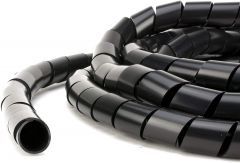
Spiral wrap is all about flexibility and accessibility. It shines when you need to manage complex bundles with lots of branches. Running new cables, removing old ones, or making quick changes is easy—just open the spiral and add or remove as needed. It’s also great for taming messy cords behind desks, entertainment centres, or in prototype labs where nothing ever stays the same for long.
When Tubing Wins
If your biggest worry is physical protection, tubing is king. It offers real armour against knocks, sharp edges, chemicals, and even curious rodents. For outdoor work, automotive wiring, or anywhere the environment is harsh, tubing gives you the confidence that your wires are truly shielded.
The Real Differences: A Practical View
Spiral wrap is more flexible and user-friendly. It lets your cables breathe, keeps them visible, and makes branching a breeze. Tubing, on the other hand, is about sealing everything in—a fortress for your wiring.
If you want fast, easy access for upgrades or repairs, spiral wrap is hard to beat. If you’re wiring in places with moving parts, foot traffic, or risk of water and dust, tubing is the safer choice.
Learn more: Wire Tubing or Sleeving? Understanding the Difference and Making the Right Choice.
Spiral Wrap vs. Tubing: Pros and Cons
-
Spiral Wrap Pros:
-
Highly flexible—fits almost any bundle shape or size
-
Cables can branch out anywhere along the run
-
Quick to install, adjust, or remove
-
Lightweight and low profile
-
-
Spiral Wrap Cons:
-
Less protection from crushing, impact, and moisture
-
Not suitable for outdoor, underground, or high-risk installs
-
Won’t meet strict code requirements in many settings
-
-
Tubing Pros:
-
Maximum protection against abrasion, chemicals, moisture, and rodents
-
Required by code for outdoor, underground, and industrial wiring
-
More options for fire resistance and weatherproofing
-
-
Tubing Cons:
-
Can be harder to install, especially in tight spaces
-
Less flexible when branching cables mid-run
-
Adds bulk and weight
-
So, Is Spiral Wrap Better Than Tubing?

There’s no single winner. If you need access, adjustability, and a quick fix for changing bundles, spiral wrap is fantastic. It makes sense in offices, studios, prototype shops, and any job where cables come and go.
But if you need to protect wires from crushing, water, rodents, or rough handling, tubing is simply better. It’s the professional standard for demanding environments—especially outdoors, in vehicles, or on construction sites.
The Smart Approach: Use Both Where They Shine
Many real-world jobs use both. Tubing for exposed, high-risk runs; spiral wrap for inner cabinets or controlled environments where flexibility and access matter more. Choosing the right tool for each segment means less hassle, more reliability, and safer cables all around.
Final Thoughts: Choose What Your Job Demands
When it comes to cable management, the “best” option is the one that solves your problem without adding headaches later. Spiral wrap is unbeatable for flexibility. Tubing is unmatched for protection. Weigh your environment, the risks, and how often things will change. With the right choice, you’ll have cable runs that look great, stay safe, and last.
For more insights and tips on cable ties and other related products, explore cabletiesunlimited.com, get a quick and free quote, and follow us on our social media communities on Facebook and Instagram!