

Nothing brightens up a morning like the cheerful flutter of birds at your window. Imagine sipping your coffee while chickadees, sparrows, and finches gather right outside. You don’t have to spend a fortune on a fancy feeder to make this dream real. You can build a sturdy, weatherproof bird feeder from a milk jug and a few simple cable ties. No power tools. No complex hardware. Just a little creativity and an afternoon of DIY.
This is a project anyone can do. It works in city apartments, suburban backyards, or even a school garden. You’ll use recycled materials, so it’s good for the environment and your wallet. Plus, you get a front-row seat to the secret lives of your feathered neighbors.
Why Milk Jugs Make Great Bird Feeders
A standard plastic milk jug is one of the most versatile objects in the recycling bin. It’s tough, lightweight, and holds up to sun and rain for months on end. Most milk jugs are large enough to carry a few days’ worth of seed, but light enough to hang from a branch or hook without sagging. With a quick rinse and a few snips, a milk jug transforms from trash to treasure.
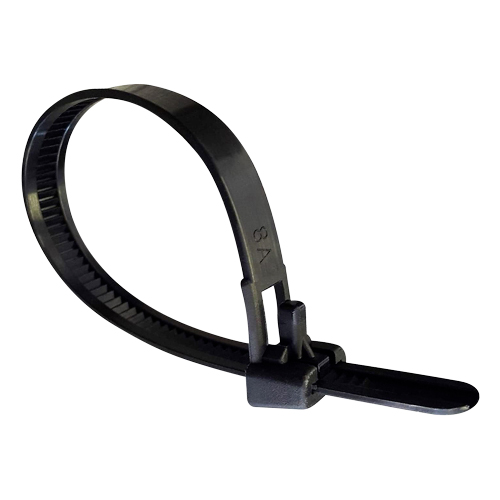
Cable ties are the perfect match for this project. They’re flexible, strong, and weather-resistant. You won’t need screws, glue, or tricky knots—just loop, pull, and trim. That makes it safe for kids and perfect for renters or anyone who wants a no-fuss setup.
Planning Your Bird Feeder
Before you get started, spend a minute thinking about where you want to hang your feeder. The best spot is somewhere you can see from indoors, like outside your kitchen window or next to your porch. You want a place that’s quiet, sheltered from strong winds, and close to shrubs or trees so birds feel safe. If you have curious pets, try to hang the feeder high enough to keep them from jumping or swatting at visitors.
Once you have your location, check if there’s a sturdy branch, fence, or hook to hang the feeder from. If you don’t have one, you can hang your feeder from a clothesline or even make a simple shepherd’s hook with a garden stake.
Gathering Supplies
You only need a few basics. Start with a clean, empty milk jug. Any size will work, but a one-gallon jug is ideal. Rinse it thoroughly and let it dry so old milk doesn’t spoil your birdseed.
Grab some cable ties—look for ties that are at least 10–12 inches long and UV-resistant if your feeder will be in the sun. You’ll want a pair of scissors or a craft knife to cut windows and trim the ties. A marker helps sketch out your cutting lines. Birdseed, of course, is the finishing touch.
If you want to make your feeder extra sturdy, you can add a couple of small dowels or sticks as perches. Optional extras include paint or stickers to decorate your jug, but avoid using anything toxic to wildlife.
Learn more: Turn a Bucket Into a Hanging Garden with Cable Ties.
Building the Bird Feeder
Start by placing your milk jug on its side and marking two or three windows near the bottom with a marker. These will be feeding holes for the birds. The openings should be wide enough for small birds to reach the seed, but not so big that rain gets in easily—about two inches tall and three inches wide works well. Use your scissors or knife to carefully cut out these openings. Try to keep the edges as smooth as possible so birds don’t scratch their feet.
If you want to add perches, poke a small hole below each window and push a stick or dowel through the jug so it sticks out a few inches on either side. This gives your visitors a place to sit while they eat. You can skip this step if you want an even simpler feeder; many birds will cling to the edge of the hole just fine.
Once your windows are cut, use the cap to make a filling port at the top of the jug. You can pour seed in from here and close it up to keep rain out. If your feeder is large, you may want to cut a larger hole on one side near the handle for easier filling, but make sure you can close or cover it so seed stays dry.
Attaching Cable Ties for Hanging
Here’s where cable ties shine. Flip the jug upright and use the handle as one hanging point. Thread a cable tie through the handle, loop it over your branch, pole, or hook, and pull tight. For extra stability, poke two small holes in the jug’s neck on either side of the cap, thread a cable tie through, and make a loop. If the feeder feels wobbly, add another tie through the opposite side of the jug or around the base.
If you’re hanging from a branch, leave a little slack so the feeder sways gently in the breeze, but not so much that it spins out of reach. For a more permanent mount, use cable ties to secure the feeder to a fence post or railing. This prevents squirrels or raccoons from stealing the whole feeder during the night.
Filling and Placing the Feeder
With your feeder finished and cable ties locked in, fill the jug with fresh birdseed. Black oil sunflower seeds attract the widest variety of birds, but you can use a general wild bird mix or even raw peanuts for larger species. Replace the cap after filling and check the windows to make sure seed flows freely into the openings.
Now hang your feeder in the chosen spot. If rain is in the forecast, try to place it under a bit of shelter—an overhanging branch, porch eave, or garden umbrella all work. Watch for a few minutes. You may see the first bold visitor within the hour, or it may take a few days for the local birds to find your creation. Once they do, word travels fast.
Maintenance and Cleaning
Bird feeders need regular cleaning. Every week or so, bring your milk jug feeder inside and dump out any old, clumped, or moldy seed. Rinse the jug with warm soapy water and let it dry completely before refilling. This keeps the birds healthy and your feeder looking tidy.
Inspect the cable ties every few weeks. Sun and rain can eventually weaken plastic, even the tough kind. If a tie starts to feel brittle or looks cracked, snip it off and replace it with a new one. That’s another benefit of this design—maintenance takes minutes and costs next to nothing.
If you want to change the feeder’s location or try a new style, just snip off the ties, rinse the jug, and start again. The cable ties leave no damage, so you can reuse the jug for other DIY projects if you like.
Troubleshooting Common Problems
Sometimes squirrels or raccoons discover your feeder and get creative. If they gnaw the openings wider or dump the whole thing for an easy meal, try making the feeding holes a bit smaller and using sturdier cable ties to fasten the jug more securely. You can even add a metal mesh over the openings if squirrels are a persistent problem.
If rain keeps getting inside, angle your windows down slightly and add a tiny drain hole to the bottom of the jug. This helps water escape without soaking the seed. If birds seem slow to visit, sprinkle a bit of seed on the ground nearby or hang your feeder closer to other bushes where they already gather.
If your jug sways too much in the wind, move it to a more sheltered location or use extra cable ties to anchor the base to a stake or railing. Tweak and adjust as you go—part of the fun is finding what works best for your local birds.
Why DIY Bird Feeders Matter
A homemade feeder isn’t just a money-saver—it’s a way to reconnect with the world outside your door. Kids love watching birds up close and can help with every step, from rinsing the jug to spotting the first arrivals. Teachers use this project to teach about recycling, nature, and wildlife. Gardeners see fewer pests as birds snack on bugs and seeds that would otherwise damage plants.
Even if you have just a balcony or a small patch of yard, a milk jug feeder brings the wild a little closer. You’ll notice which birds visit at dawn, which call at dusk, and which squabble over the last sunflower seed. It’s a small act of kindness that rewards you every day.
Beyond the Milk Jug
Once you see how easy it is to make a bird feeder from simple materials, you may want to experiment. Try juice bottles, yogurt tubs, or even plastic soda bottles for different shapes and sizes. Combine cable ties and recycled wire to build multi-level feeders or add extra perches. Every design is a little different, and the birds appreciate the variety.
Paint your feeder in bright colors, but always use non-toxic paints. Let kids add stickers, draw patterns, or name their favorite bird guests. Hang several feeders at different heights to attract more species. Over time, you’ll become an expert in what your local birds like best.
The Simple Joy of Birdwatching
Making a bird feeder from a milk jug and cable ties is about more than just recycling or saving money. It’s a chance to slow down and watch life unfold outside your window. You’ll start to recognize familiar faces—maybe a bold blue jay, a shy cardinal, or a flock of goldfinches. Each morning brings a new surprise.
DIY bird feeders turn scraps into a source of joy, connection, and learning. With a milk jug, a few cable ties, and a handful of seed, you open your home to the vibrant world of birds. And best of all, it’s easy, quick, and endlessly customizable.
For more insights and tips on cable ties and other related products, explore cabletiesunlimited.com, get a quick and free quote, and follow us on our social media communities on Facebook and Instagram!