

A shower curtain is one of those household essentials that gets used every single day yet often goes unnoticed until something breaks. Maybe the hooks snap, maybe the curtain tears at the top, or maybe the rod slips and leaves the curtain sagging. When this happens, frustration sets in quickly. Nobody enjoys a curtain that puddles on the floor or refuses to slide smoothly across the rod.
The good news is that you do not always need a replacement. With a little creativity, you can repair a shower curtain using something as simple and inexpensive as a cable tie. These small plastic fasteners, usually reserved for electrical cords or garage projects, are surprisingly effective at fixing common bathroom problems.
Why Shower Curtains Break So Often
Shower curtains endure a lot of stress. They are exposed to heat, moisture, soap residue, and frequent tugging. The most common issues include:
- Broken holes or grommets: The curtain fabric tears where it connects to the rings.
- Snapped rings or hooks: Plastic hooks weaken and split over time.
- Sagging curtain rods: Tension rods sometimes lose grip and shift.
- Uneven hanging: Missing or bent hooks cause one side to droop.
Replacing the entire curtain or rod every time something goes wrong is costly and inconvenient. Cable ties offer a quick, sturdy, and long-lasting repair solution.
Why Cable Ties Work for Curtain Repairs
Cable ties, also called zip ties, are flexible nylon fasteners with a locking head. Once tightened, they hold securely and resist slipping. Their key advantages for bathroom use include:
- Moisture resistance: They do not rust or warp in wet environments.
- Strength: Stronger than most plastic hooks, they hold the curtain’s weight easily.
- Simplicity: Installation takes seconds and requires no tools.
- Affordability: A pack costs very little compared to new hooks or curtains.
- Versatility: They adapt to many repair scenarios, from replacing rings to reinforcing fabric.
These qualities make cable ties ideal for quick fixes in bathrooms.
Common Shower Curtain Repairs Using Cable Ties

1. Replacing Broken Rings
If a curtain ring snaps, thread a cable tie through the curtain hole and loop it over the rod. Tighten it until snug but not too tight, allowing the curtain to slide. The result is a makeshift hook that often lasts longer than the original ring.
2. Reinforcing Torn Curtain Holes
When a grommet tears away from the fabric, the curtain can no longer hang evenly. Punch a small hole above or beside the tear with scissors, thread a cable tie through, and attach it to the rod. This bypasses the damaged spot while extending the curtain’s life.
3. Supporting a Sagging Rod
If a tension rod begins slipping, use cable ties to anchor it discreetly to nearby brackets, hooks, or wall supports. The ties add grip and keep the rod from sliding down under the curtain’s weight.
4. Creating Temporary Rings for a Liner
Shower curtain liners often wear out faster than the decorative curtain. Instead of buying new rings, thread small cable ties through the liner holes and loop them directly onto the curtain rings or rod. They act as sturdy, waterproof connectors.
5. Fixing Uneven Hanging
Sometimes one side of the curtain hangs lower because of missing or bent hardware. A cable tie threaded in the gap restores balance immediately.
Step-by-Step: Repairing a Shower Curtain with Cable Ties
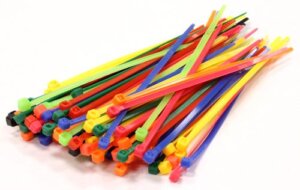
Step One: Gather Supplies
You will need:
- Cable ties (4–8 inches for rings, longer for rods)
- Scissors or a cutter
- Optional: a hole punch for torn fabric
Step Two: Identify the Problem
Is it a broken ring? A torn hole? A sagging rod? Knowing the exact issue helps you choose the best method.
Step Three: Thread the Cable Tie
Pass the tie through the fabric hole or around the rod. For torn curtains, create a new hole if needed.
Step Four: Tighten Securely
Pull the tie snug but leave enough slack for the curtain to slide along the rod.
Step Five: Trim Excess
Cut off the extra length of the tie for a neat finish.
That’s it — the curtain is back in action in minutes.
Preventing Future Damage with Cable Ties
Cable ties are not only for repairs but also for prevention.
- Reinforce new curtains: Thread ties through each hole alongside the rings. This reduces stress on fabric.
- Support heavy liners: Extra ties distribute weight more evenly.
- Anchor rods permanently: Secure tension rods with ties from the start to prevent slipping.
These small adjustments extend the life of bathroom setups and reduce replacement costs.
Choosing the Right Cable Ties for Bathroom Repairs
Bathrooms are moist environments, so not every tie is suitable. Look for:
- UV-resistant ties: Black ties resist discoloration from light better than white ones.
- Small to medium size: 4–8 inches handle most curtain fixes.
- Releasable ties: These allow adjustment if the curtain shifts.
- Clear ties: Blend with the curtain for a cleaner appearance.
Keeping a small pack in a bathroom drawer ensures you are always prepared.
Dos and Don’ts of Using Cable Ties for Shower Curtains
Do:
- Use ties in pairs for heavier curtains.
- Trim sharp ends to avoid scratches.
- Leave a little slack for smooth sliding.
- Match tie color to curtain or rod for aesthetics.
Don’t:
- Overtighten ties against fabric, which may tear it further.
- Use brittle or old ties that snap under stress.
- Leave tails untrimmed, which catch towels or skin.
- Forget to check periodically — though strong, ties eventually wear.
Eco-Friendly Considerations
Some people worry about plastic waste from disposable ties. Fortunately, eco-conscious solutions exist:
- Reusable cable ties: Open and close like a buckle, ideal for temporary fixes.
- Biodegradable ties: Made from plant-based plastics that degrade faster.
- Minimal use: Apply only where needed instead of covering every hole.
By choosing wisely, you can balance practicality with sustainability.
Real-Life Scenarios
College Dorms
Students often face broken shower setups in shared bathrooms. Cable ties are quick, cheap, and effective repairs when maintenance is slow to respond.
Rental Apartments
Tenants may hesitate to replace fixtures in rented spaces. Cable ties provide fixes without permanent changes.
Family Homes
In households with children, shower curtains see heavy use. Cable ties repair rings and torn fabric faster than shopping trips.
Travel or Camping
Portable showers sometimes have flimsy curtains. A few ties in a backpack solve unexpected breaks.
The Cost of Neglect
Ignoring small curtain problems creates larger frustrations. A missing ring leads to a sagging section, which allows water to spill onto the floor. A slipping rod may fall completely, creating a mess. Replacing curtains and rods frequently costs far more than a handful of ties.
Cable ties provide stability, prevent leaks, and extend the lifespan of bathroom setups. They keep daily routines smooth without expensive replacements.
Beyond Shower Curtains: Other Bathroom Fixes
Cable ties have more uses in bathrooms:
- Securing loose shower caddies
- Bundling hairdryer cords
- Fastening toilet tank lids
- Organizing under-sink cleaning supplies
Once you start using them, you will notice countless opportunities to simplify bathroom organization.
Conclusion: A Simple Fix for a Daily Problem
Shower curtain problems are common, but replacements are not always necessary. With cable ties, you can repair broken rings, reinforce torn fabric, support sagging rods, and extend the life of your curtain setup. They are strong, affordable, waterproof, and easy to use.
Keeping a few cable ties handy turns bathroom frustrations into quick fixes. Instead of living with a drooping curtain or running to the store for a replacement, you can restore function in minutes. For households, renters, and students, cable ties are the unsung heroes of bathroom maintenance.
For more insights and tips on cable ties and other related products, explore cabletiesunlimited.com, get a quick and free quote, and follow us on our social media communities on Facebook and Instagram!