

Adhesive-backed cable tie mounts are incredibly useful. They let technicians secure cables without drilling holes or using screws. Quick to apply and easy to position, they save time in data centers, offices, and even vehicles. But when it is time to remove them, one problem remains—sticky residue.
Anyone who has worked with adhesive mounts knows the frustration. The tie mount comes off, but the adhesive stays behind. Sticky residue collects dust, creates a mess, and can damage surfaces if handled poorly. Tackling this residue requires the right techniques, tools, and products.
This guide explores why adhesive residue occurs, how to remove it safely, and which products help. It also explains how to prevent residue in the first place, saving time on future projects.
Why Adhesive Residue Happens
Adhesive tie mounts rely on pressure-sensitive adhesives. These adhesives bond quickly to surfaces by flowing into microscopic pores. Over time, they can cure even harder under heat and pressure. When the mount is pulled away, adhesive often separates from the backing instead of the surface.
Residue is more common in environments with heat, humidity, or rough surfaces. Data centers with constant equipment heat or vehicles exposed to sun are prime examples. Once the adhesive softens and spreads, removal becomes even trickier.
Why Residue Removal Matters

Leaving sticky residue is not just cosmetic. Dust and dirt cling to sticky patches, creating unsanitary conditions. In data centers, residue can attract particles that harm sensitive electronics. In hospitals or labs, it can compromise cleanliness.
Residue also interferes with future mounting. Applying a new adhesive mount on top of residue reduces bonding strength. Worse, scraping aggressively can scratch painted or delicate surfaces. Safe, effective removal is essential for both function and appearance.
Common Methods for Residue Removal
Manual Scraping
Plastic scrapers or old credit cards can lift adhesive without scratching. This is a safe first step on painted or delicate surfaces. Metal scrapers should be avoided unless working on industrial surfaces like metal panels.
Heat Application
Heat softens adhesives, making them easier to wipe away. A heat gun or hair dryer can warm the residue just enough for scraping or peeling. Care must be taken not to overheat and damage paint or plastics.
Solvent Cleaners
Solvents break down adhesive bonds. Isopropyl alcohol, mineral spirits, or specialized adhesive removers work well. For sensitive environments, citrus-based removers provide a safer alternative. Always test on a small area before applying widely.
Oil-Based Options
Household oils such as vegetable oil or WD-40 can loosen adhesives. They are effective but require thorough cleaning afterward to remove oily residue.
Eraser Wheels
In automotive work, eraser wheels attach to drills and remove adhesive cleanly. They are not suitable for delicate surfaces but excel on industrial panels or vehicles.
Preventing Residue in the First Place
Prevention saves time and effort. Choosing the right adhesive mount for the environment reduces residue problems.
- Select quality mounts: Cheap adhesives fail faster and leave more residue.
- Use screw or rivet mounts where possible: They eliminate adhesive entirely.
- Prepare surfaces before applying: Clean with alcohol to ensure strong bonding and cleaner removal later.
- Use mounts rated for temperature and environment: Heat-resistant adhesives reduce softening and spreading.
In many U.S. industries, planning ahead with the right product is more cost-effective than dealing with sticky cleanup later.
Industry Applications
Data Centers
Residue on racks and cabinets can interfere with airflow and cleanliness. Alcohol-based cleaners are preferred because they evaporate without residue.
Automotive
Adhesive mounts in vehicles face heat, vibration, and dust. Residue must be removed without damaging paint. Heat guns combined with safe solvents are common here.
Healthcare and Labs
Clean environments require residue-free surfaces. Citrus-based cleaners or alcohol wipes ensure safe removal without harmful fumes.
Industrial Plants
Heavy-duty adhesive mounts often leave stubborn residue on metal panels. Solvent-based removers or eraser wheels provide efficient solutions.
Product Review: Adhesive Cable Tie Mounts
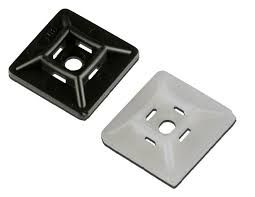
Cable Ties Unlimited offers Adhesive Cable Tie Mounts that balance strength with convenience. Made from durable nylon, they feature high-quality adhesive backings designed for quick installation on smooth surfaces.
These mounts support a wide range of cable tie sizes, making them versatile for data centers, offices, and automotive projects. The adhesive backing ensures secure placement without drilling, while the square design provides stability.
Because they use high-quality adhesives, these mounts bond effectively but also remove more cleanly compared to cheaper versions. For projects where adhesive mounts are unavoidable, starting with a premium product minimizes the headache of sticky residue later.
Tips for Safe Removal
- Warm the mount slightly with a hair dryer before pulling.
- Peel slowly to reduce adhesive transfer.
- Use alcohol wipes immediately after removal to catch leftover residue.
- Avoid sharp blades on painted or delicate surfaces.
These steps reduce cleanup and protect the underlying surface.
Safety Considerations
Residue removal often involves chemicals. Always work in ventilated spaces. Wear gloves to prevent skin irritation and goggles to protect eyes from splashes. For medical or clean-room settings, choose low-VOC cleaners that will not contaminate the environment.
Improper use of solvents can also damage plastics. Alcohol is usually safe, but acetone should be avoided on sensitive surfaces. Always test before using stronger chemicals.
Balancing Time and Cost
Time spent removing residue is labor cost. Choosing the right adhesive mount upfront reduces cleanup later. In the U.S., contractors often calculate labor savings when selecting products. Spending a bit more on high-quality adhesive mounts from suppliers like Cable Ties Unlimited saves hours of labor.
Future of Adhesive Mounts
Manufacturers are developing adhesives that maintain strength during use but release cleanly on removal. Some mounts now feature low-residue adhesive pads designed for temporary installations. These innovations will reduce sticky problems and improve overall efficiency.
Sustainability is another focus. Adhesives that are both strong and biodegradable may eventually replace petroleum-based versions. This will reduce residue issues and improve environmental impact.
Conclusion
Sticky adhesive residue from tie mounts can be a hassle, but it is manageable with the right approach. Heat, solvents, and safe scraping all play a role. Prevention, however, is the best solution. Choosing high-quality mounts from the start reduces residue problems later.
Products like Adhesive Cable Tie Mounts from Cable Ties Unlimited show how better materials lead to cleaner performance. With strong adhesion during use and easier cleanup afterward, they save both time and frustration.
For industries where cleanliness and efficiency matter, tackling adhesive residue is essential. By combining proper products with safe techniques, projects stay smooth, clean, and professional.
For more insights and tips on cable ties and other related products, explore cabletiesunlimited.com, get a quick and free quote, and follow us on our social media communities on Facebook and Instagram!