Cable management systems rely on fasteners that match the needs of the installation. Some environments demand repeated adjustments, while others only need occasional access.
Releasable cable ties fit both needs, but they come in two distinct types: fully reusable and semi-releasable. Each design solves different challenges in industrial, commercial, and technical applications.
This guide explains the difference between fully reusable and semi-releasable ties. It also covers where each type performs best, how their locking mechanisms work, and how installers can choose the right fastener for long-term reliability.
What Makes a Tie Fully Reusable
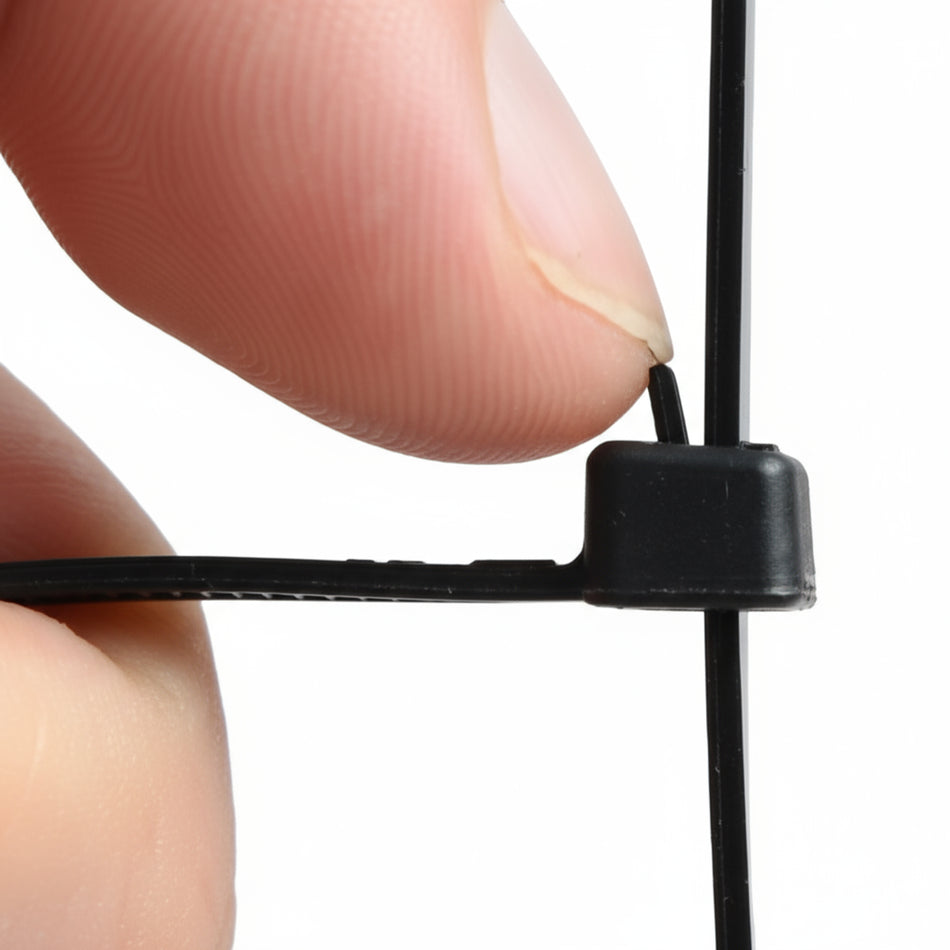
A fully reusable tie includes a locking head that opens repeatedly without damaging the strap. The release mechanism resets cleanly each time, which allows technicians to open, reposition, and close the tie many times during the life of the installation.
Fully reusable ties behave like small, flexible clamps. They rely on smooth engagement teeth and a durable release tab that withstands repeated movement. This design works well for environments that change often, such as test labs, data centres, production lines, and temporary wiring setups. The tie provides consistent strength, but the strap remains intact after every release.
What Makes a Tie Semi-Releasable
A semi-releasable tie opens once or twice before the locking mechanism weakens. It allows limited adjustments but does not support repeated use. These ties are ideal for installations where technicians may need to reposition the cable during setup but expect the bundle to remain stable afterward.
Semi-releasable ties rely on a flexible pawl that lifts when pressed. The mechanism works, but it experiences wear each time it opens. After two or three releases, the locking head loses strength. These ties cost less than fully reusable models, which makes them suitable for larger projects that require occasional but not constant rework.
Locking Mechanism Differences
The locking mechanism determines the lifespan of the tie. Fully reusable ties use reinforced components designed to handle repeated flexing. The internal pawl remains stiff, and the strap teeth resist wear even after dozens of uses.
Semi-releasable ties use a lighter mechanism. The release tab bends further during operation, which creates small stress points. The pawl also makes thinner contact with the strap teeth. This contact works for short-term adjustments but wears faster than the mechanisms used in fully reusable designs.
Strength and Durability
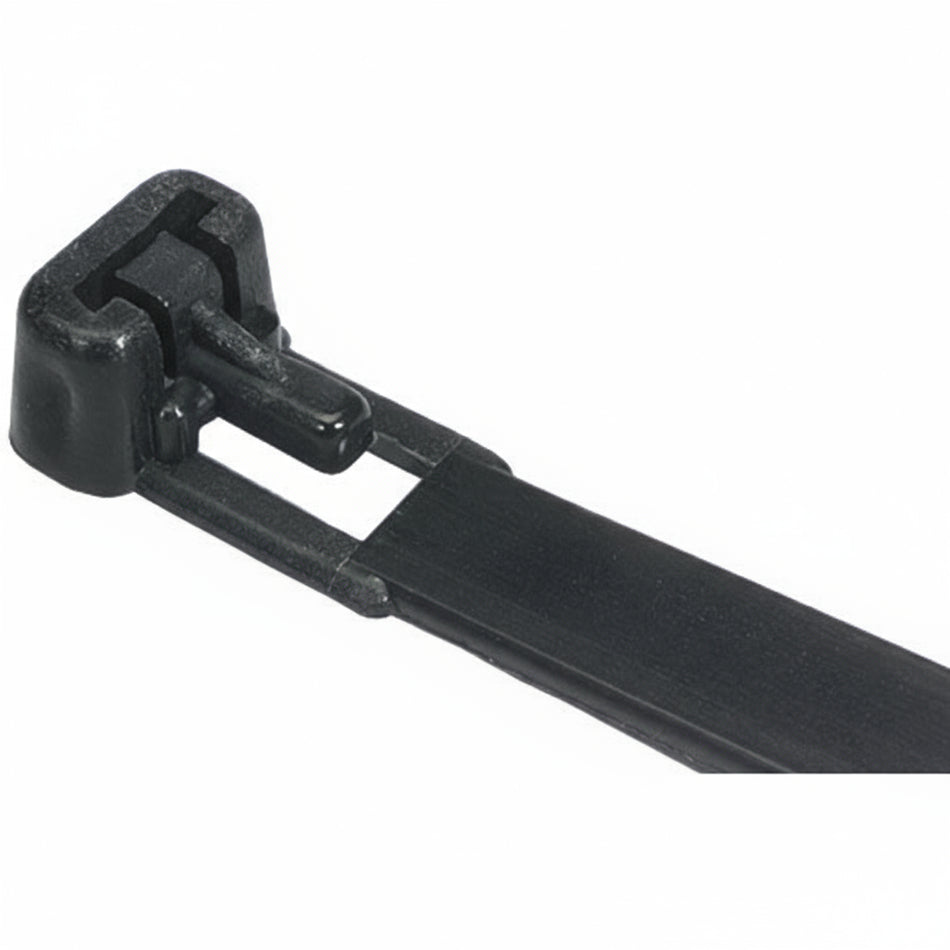
Fully reusable ties offer greater long-term durability. They resist wear from repeated handling, flexing, and re-routing. Their locking heads remain reliable throughout multiple installation cycles. This strength gives them a consistent hold across dynamic environments that change weekly or monthly.
Semi-releasable ties hold well during their initial installation. They provide reliable tension for long-term setups but lose effectiveness when opened repeatedly. Their durability suits environments where modifications are minimal after the first installation.
Flexibility During Installation
Installation flexibility is the biggest difference between these two tie types. Fully reusable ties allow technicians to bundle cables loosely, test routes, adjust spacing, and finalise tension multiple times. If equipment shifts, the ties handle the changes without waste.
Semi-releasable ties allow one or two corrections during setup. Technicians can open the tie to adjust cable length or align the bundle. After the second or third release, the tie should be replaced to guarantee full strength. This gives the installer some freedom but keeps costs lower for large project deployments.
Applications That Benefit From Fully Reusable Ties
Fully reusable ties shine in environments where equipment moves often or where technicians need frequent access.
Data Centres
Data centres face continuous moves, adds, and changes. Fully reusable ties help technicians reorganise racks without cutting or replacing fasteners.
Testing Labs
Testing setups shift constantly. Fully reusable ties support secure but temporary cable organisation during experiments and device evaluation.
Manufacturing Lines
Production layouts change as equipment is upgraded. Reusable ties give teams flexibility during adjustments and re-routing.
Audio, Lighting, and Stage Production
Cables move from event to event. Fully reusable ties reduce waste and speed up setup and teardown.
These ties save time, reduce waste, and support industries that depend on flexible cable management.
Learn more: How to Effectively Use Release Cable Ties for Temporary Securing Needs.
Applications That Benefit From Semi-Releasable Ties
Semi-releasable ties perform best in installations that require light adjustments during setup but remain stable afterward.
Telecommunications
Large telecom projects need consistent tension and controlled cost. Semi-releasable ties support early routing changes without requiring expensive reusable models.
Electrical Contracting
Electricians often make small adjustments during installation. Semi-releasable ties provide that flexibility without increasing project cost.
Construction Sites
Temporary or semi-fixed cable runs benefit from a tie that allows a quick correction but does not require repeated changes.
HVAC and Mechanical Installations
Large bundles may need repositioning during the final alignment stage. Semi-releasable ties support these adjustments before the system becomes permanent.
These ties balance flexibility with budget needs across demanding worksites.
Cost Differences Between the Two
Fully reusable ties cost more than semi-releasable models because they use stronger materials and reinforced mechanisms. The higher cost pays off in environments that require repeated adjustments or long maintenance cycles.
Semi-releasable ties cost less and offer enough flexibility for controlled adjustments during installation. They remain the best choice for high-volume jobs where the system stabilises once installed.
Environmental Impact and Waste Reduction
Fully reusable ties reduce waste because a single tie can support several adjustments. Installers do not cut and replace fasteners each time they change a route. This lowers plastic use in industries that reconfigure systems often.
Semi-releasable ties also reduce waste during the installation phase because they support limited rework. They are not designed for long-term reuse, but they still prevent the immediate need for replacements during alignment.
Safety During Maintenance
Safety is another major advantage of both tie types, but fully reusable ties offer more long-term benefits. They reduce the need for cutters inside racks or trays, which protects cables, fibre lines, and technician hands. The ability to open the tie without a tool lowers the chance of cutting jackets or introducing debris into sensitive equipment.
Semi-releasable ties improve safety during the installation phase by allowing small corrections without cutting. After installation, they function like a standard tie.
Choosing the Right Tie for the Job
Selecting the correct tie depends on the frequency of system changes, the environment, and budget needs. Fully reusable ties fit environments that shift often and require frequent cable access. Semi-releasable ties support one-time installations that may need slight adjustments but stay stable afterwards.
Installers should also consider climate, tension needs, and material choices. UV resistance, weather resistance, and strength ratings vary across both tie types, and these factors influence long-term reliability in outdoor or industrial environments.
Learn more: Using UV-Resistant Cable Ties for Long-Term Outdoor Fixes.
Final Thoughts
Fully reusable and semi-releasable ties both improve cable management, but they solve different challenges. Fully reusable ties support repeated adjustments, reduce waste, and protect sensitive equipment during frequent re-routing. Semi-releasable ties provide flexibility during installation and stable long-term performance at a lower cost. Understanding these differences helps installers choose the right fastener for data centres, telecom systems, industrial networks, and construction projects.
For more insights and tips on cable ties and other related products, explore
CableTiesUnlimited.com, get a quick and free quote, and follow us on our social media communities on
Facebook and
Instagram.

