

Cable ties are simple tools, but their range is surprisingly complex. Tensile strength, material, and design all affect performance. Among the many options, light heavy-duty 120 lb cable ties fill a very specific role. They strike a balance between raw strength and usability.
Understanding when to choose light heavy-duty 120 lb cable ties helps both professionals and DIY users. These ties prevent failures in demanding conditions while staying manageable enough for everyday tasks. This article explores their meaning, applications, safety, and why they matter.
What “120 lb” Really Means
The number 120 lb refers to tensile strength. It measures the pulling force the tie can withstand before breaking. A light heavy-duty tie rated at 120 lb can handle up to 120 pounds of force in direct tension.
This strength places them above intermediate 40 lb or 50 lb ties. At the same time, they remain below the extremely heavy-duty categories that exceed 175 or 250 lb. That makes them a practical middle ground for demanding but not extreme projects.
Dimensions of Light Heavy-Duty 120 lb Ties
Most light heavy-duty 120 lb cable ties measure between 0.30 and 0.35 inches in width. Lengths range from 8 inches to as much as 24 inches. The width and thickness explain their higher strength rating.
These ties are still slim enough to fit through mounting holes and around bundles in electrical cabinets. They are stronger than intermediate ties but not so bulky that installers struggle to handle them in tight spaces.
Materials Used
The most common material for 120 lb ties is nylon 6/6. This engineering-grade plastic combines durability, flexibility, and heat resistance. Standard nylon handles temperatures up to 185°F, which covers most wiring projects.
For outdoor projects, manufacturers produce UV-stabilized versions. These resist brittleness caused by prolonged sunlight exposure. Specialty blends such as heat-stabilized nylon or flame-retardant versions expand their use to harsher environments. Stainless steel versions exist for extreme conditions, though they fall into higher-duty categories.
Why Choose Light Heavy-Duty 120 lb Cable Ties?
The main reason is reliability. Wiring projects often face stress from vibration, movement, or environmental factors. Smaller ties can fail when subjected to these forces. Light heavy-duty 120 lb ties offer a margin of safety.
They also provide versatility. You do not always need the largest industrial tie. A 120 lb tie gives enough strength for most heavy bundles without becoming overkill. This balance defines their value in professional and residential settings.
Common Applications
These ties are used across industries. Their strength and size make them well-suited for medium to large bundles. They secure electrical, mechanical, and data systems. Their role is not glamorous, but it is vital for safety and organization.
Typical applications include:
- Bundling large groups of electrical wires in commercial buildings
- Securing hoses in vehicles or heavy machinery
- Fastening cable runs in outdoor utility installations
- Supporting HVAC tubing or duct sensors
- Organizing coaxial or fiber cables in data centers
Construction Projects
Contractors frequently use these ties on job sites. They bundle wiring before permanent conduit installation. They secure temporary lighting, ventilation tubes, or safety netting. Their strength ensures stability even in dusty or vibrating environments.
Unlike smaller ties, 120 lb versions resist loosening under stress. Workers value this reliability because projects often last months before systems are finalized. Using weaker ties in these situations could cause failures.
Automotive and Machinery Uses
Automotive wiring harnesses need secure fasteners that withstand vibration, heat, and constant motion. Light heavy-duty 120 lb cable ties perform well in these settings. They keep hoses, wiring, and fluid lines fixed against movement.
In heavy machinery, they stabilize hydraulic hoses or electrical lines. Their added strength reduces the risk of slippage. Using them prevents downtime and extends equipment life. Choosing the correct tie strength is part of preventive maintenance.
Data Centers and Networking
Data centers contain thousands of cables. Organization is critical. Intermediate ties may not handle large bundles of thick cables. Heavy-duty ties may be too bulky.
Light heavy-duty 120 lb ties are ideal for securing thicker coaxial or grouped fiber cables. Their strength ensures stability while their size prevents overcrowding in racks. Technicians often prefer them for balancing strength and neatness.
Outdoor and Utility Applications
Outdoor wiring faces challenges like sun, wind, and temperature shifts. Light heavy-duty 120 lb ties are commonly used in utility installations, telecommunications, and construction zones. UV-stabilized nylon versions resist weathering and provide long-term durability.
They secure cables to poles, fences, or conduit runs. Their added tensile strength prevents failures caused by wind load or sagging wires. This reliability makes them a go-to choice for infrastructure projects.
Heavy-Duty 120 lb Cable Ties

Cable Ties Unlimited offers a rugged Heavy-Duty 120 lb Cable Tie designed for demanding, high-load applications. This strong, reliable solution ensures exceptional performance where standard cable ties fall short.
Key Features:
- Crafted from tough Nylon 6/6 with sturdy one-piece construction for consistent strength
- Offers 120 lb tensile strength—ideal for heavy bundling tasks
- Measures 0.30" wide, ensuring a secure grip on thick cable bundles
- Performs across a broad temperature range from –40°F to 185°F
- Meets UL 94 V-2 flammability standards for added safety
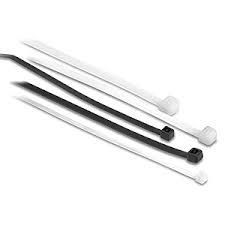
- Available in both natural and UV-stabilized (black) options for indoor or outdoor use
Why Not Use Smaller Ties?
Smaller ties work for light bundles or electronics, but they fail under heavy stress. A 40 lb tie cannot secure a thick hose or outdoor bundle exposed to wind. Using an undersized tie risks system failure.
Intermediate ties also loosen faster under vibration or heat. Over time, bundles slip or wires pull free. A 120 lb tie resists those forces, providing consistent grip. Choosing the right strength prevents constant repairs or replacements.
Why Not Always Use Heavier Ties?
It might seem logical to always choose the strongest tie. However, oversized ties bring problems. They can crush delicate cables if overtightened. Their bulk also makes them difficult to use in tight cabinets.
Heavier ties cost more. Using them for small tasks wastes money and resources. Light heavy-duty 120 lb ties deliver strength without unnecessary size or expense. They represent efficiency and practicality rather than brute force.
Safety Considerations
Safety depends on correct installation. Overtightening can damage cable insulation or pinch hoses. Always use a proper tensioning tool. These tools apply the right pressure and cut the tail cleanly.
Sharp edges left by improper cutting can injure workers or damage nearby cables. Flush cutters prevent this. Installers should also avoid reusing single-use ties. A stretched locking head may fail under stress.
Environmental Conditions
Material choice matters as much as strength. Nylon absorbs moisture and weakens in humid conditions. Outdoors, sunlight degrades standard nylon. That is why UV-stabilized versions are recommended for exterior use.
Extreme cold makes standard nylon brittle. For freezers or arctic conditions, heat-stabilized or specialty blends are required. Knowing when to choose light heavy-duty 120 lb cable ties includes checking their environmental suitability.
Tools for Installation
Professional tools improve results. Tensioning tools tighten ties consistently and prevent overtightening. They also cut the tail flush to avoid sharp edges. In large projects, tools reduce hand fatigue and save time.
Some advanced tools allow adjustable tension settings. This is useful for delicate applications such as fiber optics. Pairing the right tool with the right tie ensures safety and efficiency.
Cost and Efficiency
Light heavy-duty 120 lb ties cost more than smaller versions, but they pay off. Their durability reduces replacements and prevents downtime. In industries like construction or utilities, that reliability saves labor and repair costs.
Homeowners benefit as well. A single pack lasts for years, covering everything from garage organization to seasonal yard projects. Their versatility makes them a smart, long-term investment.
Mistakes to Avoid
Common mistakes include overtightening, using indoor ties outdoors, and cutting with knives instead of flush cutters. These errors reduce lifespan and create hazards. Another mistake is using oversized ties on delicate wires. This risks crushing or damaging insulation.
Avoiding these errors requires understanding the balance between strength, size, and application. Choosing light heavy-duty 120 lb cable ties for the right tasks avoids wasted effort and protects systems.
The Future of Cable Ties
Cable tie technology continues to evolve. Expect to see biodegradable plastics, advanced locking mechanisms, and reusable designs. Sustainability drives innovation in every industry, and cable ties are no exception.
Light heavy-duty 120 lb ties will also evolve. Manufacturers may integrate smart features such as embedded identification or tracking systems. These innovations will make them even more versatile in modern projects.
Conclusion
Light heavy-duty 120 lb cable ties are the reliable middle ground. They are strong enough for demanding tasks but not too bulky for practical use. They secure wiring, hoses, and cables in construction, automotive, data centers, and outdoor utilities.
Choosing them prevents failures, saves money, and improves safety. They deliver strength, efficiency, and peace of mind. When you understand when to choose light heavy-duty 120 lb cable ties, you make smarter decisions that keep your projects secure.
For more insights and tips on cable ties and other related products, explore cabletiesunlimited.com, get a quick and free quote, and follow us on our social media communities on Facebook and Instagram!