

Cable ties are indispensable for organizing, bundling, and securing cables. They are reliable, strong, and easy to install. The challenge comes when it is time to remove them. A poorly chosen tool can damage cables, leave sharp edges, or even injure the technician. That is why selecting the best tools to cut cable ties matters as much as selecting the right ties themselves.
This guide explores the most effective tools for cutting cable ties safely and efficiently. From specialized flush cutters to heavy-duty pliers, each tool has advantages depending on the application. Understanding these options helps professionals in data centers, manufacturing plants, and construction sites work faster and safer.
Why Cutting Tools Matter
Cutting a cable tie may seem simple, but the consequences of doing it wrong can be costly. Using the wrong tool can nick cable insulation, leaving wires vulnerable to failure. Sharp edges left behind after cutting can scrape hands or snag clothing.
In medical, aerospace, and telecom environments, even a minor nick in a cable can compromise performance. In data centers, one damaged fiber optic cable can cause downtime for hundreds of users. Choosing the right tool minimizes risks, improves safety, and ensures long-term system reliability.
Flush Cutters
Flush cutters are one of the best tools for cutting cable ties. They are designed to cut the tie as close to the locking head as possible, leaving a smooth, flat edge. This prevents sharp protrusions that can cause injury or snagging.
High-quality flush cutters are made from hardened steel and feature ergonomic grips. Many versions also include spring-loaded handles to reduce hand fatigue during repetitive use. For technicians who remove hundreds of ties daily, flush cutters are an essential tool.
Benefits of Flush Cutters
- Clean, flat cut that eliminates sharp edges
- Reduces risk of injury or snagging
- Lightweight and easy to use
- Ideal for data centers, medical facilities, and other sensitive environments
Flush cutters are best for small to medium ties, usually up to 50 lb tensile strength. For heavier ties, more robust tools may be necessary.
Cable Tie Removal Tools
Specialized cable tie removal tools are designed specifically for the job. Unlike cutters that slice through the tie, these tools release or snip ties without risking cable damage. They often feature a protective guard that slides between the tie and the bundle, shielding wires during removal.
Some removal tools also allow for tie reuse. Releasable designs cut or unlock ties without destroying them, which is valuable in temporary setups or testing environments.
Benefits of Cable Tie Removal Tools
- Purpose-built to prevent cable damage
- Often reusable, saving material costs
- Ergonomic design reduces strain during repetitive work
- Suitable for delicate wiring such as fiber optics
Diagonal Pliers
Diagonal pliers, often called side cutters, are a versatile option for cutting cable ties. They are widely available and strong enough to handle larger, heavy-duty ties. Unlike flush cutters, diagonal pliers leave a sharper edge. This makes them less ideal for environments where exposed edges are a hazard.
However, for construction sites and outdoor applications, diagonal pliers provide speed and power. They are also durable enough to cut through stainless steel cable ties when equipped with hardened blades.
Benefits of Diagonal Pliers
- Strong enough for heavy-duty nylon or stainless steel ties
- Widely available and affordable
- Multipurpose tool for cutting wires as well as ties
They are less precise than flush cutters but offer versatility where perfection is not critical.
Scissors and Shears
Heavy-duty scissors or electrician’s shears can cut small nylon cable ties. While not ideal for large or heavy-duty ties, they are convenient for quick removals in low-risk environments. Shears with serrated blades grip ties better, preventing slips during cutting.
In medical or laboratory environments, shears with rounded tips provide added safety by preventing accidental punctures or cuts to tubing.
Benefits of Scissors and Shears
- Lightweight and portable
- Good for light-duty cable ties
- Safer options available with rounded tips
Their limitation is strength. They cannot reliably cut heavy or reinforced ties.
Safety Considerations
When cutting cable ties, safety comes first. Improper tools or techniques can cause injuries. Sharp edges left on cut ties are notorious for causing scratches and lacerations, especially in cramped spaces.
Technicians should always wear gloves and safety glasses during removal. Flush cutters should be used wherever possible to prevent exposed edges. For stainless steel ties, only tools rated for metal should be used. Attempting to cut them with standard pliers risks tool breakage and injury.
Product Review: Cable Tie Cutters
Tool-NS-175 Heavy-Duty Cable Tie Tension Tool (Made of Steel) 120 lb

This robust tension tool combines reliable tightening with an integrated cutter, delivering clean results at the click of the handles. Its steel construction handles heavy-duty cable ties up to 120 lb (and even 175 lb), making it ideal for industrial and demanding applications. Precision cut-offs and consistent tension control help prevent sharp edges and cable damage.
Tool-NP-50 Standard Cable Tie Tension Tool (High-Grade Plastic) 18 lb – 50 lb
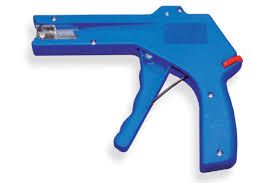
Constructed from high-grade plastic, this lightweight tension tool offers smoother handling for standard nylon cable ties. It supports 18 lb to 50 lb ties and ensures accurate tensioning with a built-in cutter for safe, flush removal. Its ergonomic grip eases repetitive use and preserves cable integrity.
EVO Cut Cable Tie Cutting Hand Tool, Black

This compact hand tool specializes in cutting cable ties cleanly and swiftly. Its sharp blades and ergonomic handle provide precise snips without damaging adjacent cables. Ideal for tight spaces or quick tasks, it offers professional-quality results in a simplified, easy-to-use package.
Which Tool Should You Choose?
The best tool depends on the application. Flush cutters are the gold standard for most professional settings where safety matters. Removal tools add protection for delicate cables and allow reuse. Diagonal pliers are ideal for heavy-duty or outdoor work, while shears provide lightweight convenience for quick tasks.
A technician’s toolkit should include more than one option. Flush cutters for precision, diagonal pliers for strength, and a removal tool for delicate jobs provide full coverage for any scenario.
Cost Versus Value
High-quality tools cost more than generic cutters, but the value lies in safety and reduced downtime. One damaged cable can cost thousands of dollars in repairs or lost productivity. Investing in the right cutting tools saves money in the long term.
Ergonomic designs also reduce worker fatigue and injury, further adding to long-term value. Companies that prioritize proper tools not only improve performance but also protect their workforce.
Conclusion
Cutting cable ties is not as simple as grabbing the nearest tool. The wrong choice can damage cables, create hazards, and increase costs. Flush cutters, removal tools, diagonal pliers, and shears each offer unique advantages.
Products like the Cable Tie Flush Cutter from Cable Ties Unlimited prove the importance of using purpose-built tools. They deliver clean cuts, eliminate sharp edges, and protect both workers and equipment.
For U.S. industries that rely on safe, reliable wiring, the right tool is essential. Building a toolkit with multiple cutting options ensures flexibility, safety, and long-term success.
For more insights and tips on cable ties and other related products, explore cabletiesunlimited.com, get a quick and free quote, and follow us on our social media communities on Facebook and Instagram!