

Outdoor installations place constant stress on cable ties. Sunlight, moisture, wind, and temperature changes all weaken materials over time.
Black cable ties often last longer outdoors because their formulation protects against these conditions. This article explains why black ties perform better, how UV additives work, and when to choose them for long-term outdoor reliability.
Understanding Outdoor Material Stress
Outdoor environments break down plastics through heat, cold, and sunlight. UV radiation damages standard nylon by attacking its molecular structure. This causes brittleness, cracking, and loss of tensile strength.
Moisture also affects ties, especially when paired with freeze-thaw cycles. Outdoor-rated black ties resist these forces better because of their stabilised composition.
The Science Behind Black Cable Ties
Black cable ties are usually made from nylon with added UV stabilisers. These additives help block or absorb harmful UV rays before they damage the material. This slows ageing and keeps the tie flexible.
Standard natural nylon does not contain these stabilisers. It breaks down faster when exposed to sunlight, even in moderate climates.
Why UV Stabilisers Matter
UV stabilisers help the nylon maintain its structure. The additives reduce the rate of sun-driven degradation. This allows the ties to hold their original strength longer.
Without stabilisers, UV exposure weakens the surface first, then works deeper into the material. Over time, the tie becomes brittle and fails under tension.
Colour and Performance
The colour black is not only cosmetic. It plays a functional role. Black pigmentation helps absorb UV radiation and slow its penetration through the nylon.
This makes black cable ties the preferred option for long-term outdoor use. They withstand constant sunlight better than lighter colours.
Comparing Black and Natural Cable Ties
Natural nylon ties work well indoors. They provide good tensile strength and general reliability. Outdoors, however, they degrade quickly.
Black cable ties handle tough weather conditions because of their UV-resistant formulation. Their pigmentation and stabilisers combine to deliver better durability.
Where Black Cable Ties Excel

Black ties perform well anywhere sunlight is strong or constant. Many technicians rely on them for outdoor cable support, conduit bundling, and equipment mounting.
Their durability reduces maintenance needs. This improves safety and overall reliability of outdoor installations.
Common Uses
Black cable ties perform best in locations with continuous exposure:
- solar panel wiring
- rooftop conduit paths
- exterior lighting cables
- antennas and satellite connections
- outdoor security camera systems
- HVAC and industrial equipment installations
These applications depend on ties that keep strength under constant UV pressure.
Heat and Temperature Stability
Outdoor temperatures shift often. These swings cause expansion and contraction in materials. Standard nylon becomes brittle when exposed to long temperature cycles combined with sunlight.
Black cable ties handle these fluctuations better because UV stabilisers maintain flexibility. The ties resist cracking in both hot and cold weather.
Moisture and Humidity Effects
Moisture weakens standard nylon over time. Rain, humidity, and dew speed up degradation. When moisture combines with UV exposure, natural nylon loses strength even faster.
Black UV-stabilised ties resist this combined stress. They maintain grip and structure even in humid or coastal climates.
Impact of Freeze-Thaw Cycles
In colder regions, ties face repeated freeze-thaw cycles. Water expands when frozen. It places stress on weakened nylon. If the material is already damaged by UV exposure, it will crack even sooner.
Black cable ties with stabilisers resist early degradation. They stay flexible during winter, reducing failure risks.
Black Cable Ties and Long-Term Tensile Strength
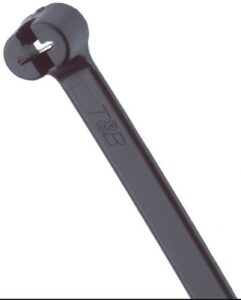
Tensile strength drops as nylon degrades. UV exposure accelerates this process. Black ties maintain a more stable strength profile because the material breaks down at a slower rate.
This consistent performance is important in installations that stay untouched for years. Fewer replacements mean greater reliability.
Learn more: The Impact of Long-Term Sun Exposure on Nylon Cable Ties
Cost vs. Lifespan
Black cable ties often cost slightly more than natural nylon. However, they provide better value outdoors. Their longer lifespan reduces field failures and repeated labour.
For any installation with long-term exposure, the investment in UV-stabilised black ties pays off.
Installation Benefits
Black cable ties are easy to identify in outdoor settings. Their colour provides contrast against most building materials. This improves visibility during inspections.
They also maintain flexibility longer. Flexible ties install more cleanly around bundles, mounts, and brackets. This reduces overtightening and lowers the chance of breakage.
Choosing the Right Black Cable Tie
Black cable ties come in many sizes and strengths. Not all are the same. Technicians should select ties rated for outdoor use and made from UV-stabilised nylon.
Some black ties include additional weather-resistant features. These improve performance in moisture-heavy regions or areas with strong winds.
How Climate Impacts Performance
Climate conditions influence how long black cable ties last. Sun intensity, humidity, and temperature patterns vary by region.
Sun-Intensive Regions
Regions with strong sunlight require UV-stabilised black ties. These environments cause natural nylon to fail quickly.
Coastal and Humid Areas
Humidity amplifies degradation. Black ties resist this combined stress better.
Cold Regions
Black ties maintain flexibility longer. They crack less during freeze-thaw cycles.
Field Reliability and Technician Preference
Technicians often prefer black cable ties for outdoor work because they fail less. Field reliability matters in installed systems that stay active for years.
Using the correct material ensures fewer call-backs and less downtime. Outdoor-rated black ties meet these expectations.
Inspection and Maintenance Tips
Even UV-resistant black cable ties benefit from occasional checks. Environmental stress affects all materials over time.
What to Look For
Inspectors watch for:
- surface fading
- cracking along edges
- reduced flexibility
- brittle texture
Replacing worn ties prevents failures in critical systems.
When to Avoid Natural Nylon Outdoors
Natural nylon ties should not be used outdoors for long-term installations. They lack stabilisers and degrade quickly. Failures can lead to damaged cables, electrical issues, or safety hazards.
Black UV-stabilised ties eliminate this risk.
Summary
Black cable ties last longer outdoors because they include UV stabilisers and UV-absorbing pigmentation. These elements protect the nylon from sunlight, moisture, and temperature swings. The result is better performance and longer service life.
Final Thoughts
Black cable ties remain the best option for outdoor environments because they resist UV damage and stay flexible longer. Their durability delivers a safer and more dependable installation.
For more insights and tips on cable ties and other related products, explore cabletiesunlimited.com, get a quick and free quote, and follow us on our social media communities on Facebook and Instagram!