

Choosing the right wire connector can turn a fiddly, stressful wiring job into a smooth, simple one. When you’re dealing with electrical connections—whether for CCTV, lighting, or home improvement—you want a connector that feels solid, safe, and easy to use. Winged and standard wire connectors both get the job done, but they feel quite different in the hand. Here’s what sets them apart, why winged connectors are often the better choice, and how you can get the most from each.
What Are Standard Wire Connectors?
Standard wire connectors are the classic, twist-on plastic caps you’ll find in most hardware stores. Sometimes called “wire nuts” or “twist connectors,” these have a simple cone-shaped body made of hard plastic. You strip the ends of your wires, hold them together, and twist the connector on by hand until it feels snug. Inside, a metal coil grabs the wires tightly to keep them joined and insulated.
You’ll see standard connectors in lighting fixtures, switch boxes, and power outlets. Electricians and home DIYers trust them for quick, reliable joins in dry, indoor spaces. They come in different sizes to fit thin or thick wires, and most brands use a colour code for wire size compatibility.
What Are Winged Wire Connectors?
Winged wire connectors work just like standard connectors but with one important difference: they have extended “wings” or side grips. These wings stick out from the cap’s body and make it much easier to twist, especially when working with stiff or bundled wires.
The inside is similar to a standard connector—a coiled metal spring bites into the wires and pulls them together. But the external design, with its textured, wing-like flanges, offers a stronger grip and much better leverage.
Winged connectors have become popular in recent years for their comfort and speed. You’ll spot them in professional toolkits and on busy construction sites where time matters.
Key Differences at a Glance
Let’s look at the main differences:
- Grip: Winged connectors have side wings for better grip; standard ones don’t.
- Torque: Wings give you more twisting force with less effort.
- Speed: Winged types are quicker to install on multiple connections.
- Comfort: Wings reduce hand fatigue during long jobs.
- Cost: Winged connectors can be a bit more expensive, but not by much.
- Use Case: Both suit most household jobs, but winged ones shine for frequent use and tougher wires.
How Each Connector Works
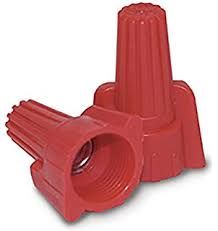
Standard Connectors
You simply twist the standard connector onto the stripped ends of your wires. The internal metal coil grabs the wires and locks them in place. There’s no moving part—just you, your fingers, and the cap. If you have strong fingers and only a few connections, these work fine. They’re tried and true.
Winged Connectors
With winged connectors, you follow the same basic steps. The difference comes as you twist: the side wings let you apply more force with less effort. You can grip the wings with your fingers and palm, making it much easier to tighten the cap securely. This is a game-changer if you’re joining four or more wires, or if you’re working overhead where your arms tire quickly.
The Comfort Factor: Why Wings Matter
Hand fatigue is real, especially when you’re making dozens of connections in a row. Standard connectors can make your fingers ache, especially if the wires are thick or the box is crowded. You need to grip the slippery cap and twist hard enough to get a solid connection.
With winged connectors, you use your whole hand instead of just your fingertips. The wings provide leverage, so you can twist quickly without straining. Even if you’re wearing gloves, the wings give you something to hold on to. This means less pain and more control.
Performance and Reliability
Both standard and winged connectors provide a safe, strong join when installed properly. The internal metal coil, not the plastic shell, does the actual gripping and joining. So, for basic household jobs, either will work.
However, winged connectors make it much easier to guarantee a tight connection every time. If your hands are sweaty, or you’re working in a tight spot, the extra grip lets you apply the right torque. This reduces the risk of a loose wire—one of the biggest causes of electrical faults.
Where Winged Connectors Really Shine

Let’s look at a few situations where winged wire connectors show their true strengths.
CCTV Installations
CCTV jobs often mean working with multiple wires at awkward angles, sometimes up a ladder or in cramped corners. Winged connectors save time and keep your hands comfortable. If you need to make several joins, you’ll notice the difference straight away.
Junction Boxes and Lighting Circuits
Junction boxes can get crowded fast, especially in older homes. Winged connectors make it easy to twist multiple wires together without slipping or losing control. They help you reach the right tightness, even in small spaces.
Rewiring and Renovation Projects
If you’re tackling a big project with lots of joins—maybe upgrading a switchboard or fitting new lights—your hands will thank you for using winged connectors. You get more done, and you finish with less fatigue.
When to Choose Standard Connectors
Standard wire connectors are still a great choice for small jobs. If you’re only joining two thin wires, or you’re working on a one-off repair, a standard connector is quick and simple. They’re cheaper per piece and easy to find at any shop.
They also fit better in very tight spaces where a larger winged connector won’t squeeze in. For neatness or minimal installations, standard connectors keep things compact.
Installation Tips for Both Types
No matter which style you choose, always follow a few basic rules.
- Strip wires to the recommended length (usually about 10-15mm).
- Hold wires together before twisting on the connector.
- Twist until the connector feels snug and secure. Don’t overtighten.
- Tug each wire gently to check it’s locked in place.
- Never reuse a connector once it has been removed.
- Keep connectors dry and away from moisture unless rated for outdoor use.
Safety Considerations
Both connector types offer high safety when installed correctly. They insulate the joint, protect against shorts, and keep exposed copper covered.
Always use the correct size for the number and thickness of wires you’re joining. Don’t force a small connector onto big wires or overload a connector beyond its rating. Check the packaging or manufacturer’s guide for the right match.
Are Winged Connectors Worth the Extra Cost?
Winged wire connectors usually cost a little more than standard ones. For most people, the difference is small—maybe a few cents per connector. But the gains in speed, comfort, and reliability add up quickly, especially for regular users or big projects.
Think of winged connectors as a small investment in your own productivity and comfort. They help prevent sore hands, rushed joins, and those annoying do-overs when a connector just won’t bite. For pros, this means more jobs done in less time.
Are There Any Drawbacks to Winged Connectors?
The main downside is size. Winged connectors can take up a bit more room in a crowded box. If you’re working with limited space, check first to make sure the connector fits comfortably alongside others.
For single, simple joins, the wings may not be necessary. If your project is all about tightness and space-saving, standard connectors still have a place.
FAQs
Do I need special tools for winged connectors?
No, you twist them on by hand, just like standard connectors. Gloves are fine.
Can I use winged connectors outdoors?
Yes, if they’re rated for outdoor or wet locations. Always check the product specs.
Are winged connectors reusable?
No. Once removed, use a new connector for the best safety.
Will they fit every type of wire?
They come in a range of sizes, just like standard ones. Match the connector size to your wires.
Can I mix winged and standard connectors in one project?
Yes, as long as you follow safety and compatibility rules.
Real-World Reviews: What Do Users Say?
Electricians and DIYers love winged connectors for their ease of use and comfort. Many say they can wire an entire house without finger strain or slippage. Reviews often mention the speed boost—installers finish jobs faster, with fewer breaks.
People working on CCTV and home security projects especially notice the difference when working overhead or in awkward spots. The extra grip really makes life easier.
Final Thoughts
Both winged and standard wire connectors are safe, reliable options for electrical jobs. But if you value comfort, speed, and secure connections—especially on bigger projects or tricky installs—winged connectors are a smart choice. Their ergonomic design saves your hands, gives you more control, and helps you get the job done right.
Try them on your next project. Chances are, you’ll want to keep a box handy in your toolkit for good.
For more insights and tips on cable ties and other related products, explore cabletiesunlimited.com, get a quick and free quote, and follow us on our social media communities on Facebook and Instagram!