Cold weather creates tough conditions for electrical connections. Moisture, freezing temperatures, and snowmelt place heavy stress on exposed wiring. Wire nuts fail quickly when moisture enters the connection, especially during freeze–thaw cycles.
This guide explains how to choose and use winter-safe wire nuts in moisture-heavy locations. You will learn best practices that help protect connections through harsh winter conditions.
Moisture is the biggest threat to any exposed electrical connection. Snow and ice melt during the day and refreeze at night. This cycle pushes water deeper into small gaps, where it expands and damages insulation.
Cold temperatures also reduce material flexibility. Traditional wire nuts stiffen in the cold, which increases the chance of cracking.
How Moisture Creates Electrical Hazards
Moisture changes everything about a wire connection. Water increases corrosion, weakens metal surfaces, and accelerates oxidation.
Corrosion raises resistance, which produces heat. This creates failure points during winter, when ice traps and holds moisture around connectors.
The Impact of Freeze–Thaw Cycles
Freeze–thaw cycles create mechanical stress around wire nuts. Water expands when frozen and contracts when thawed.
This repeated expansion loosens connections and widens gaps in insulation.
Choosing Winter-Safe Wire Nuts
Winter-safe wire nuts help maintain tight, stable connections in cold environments. These nuts resist moisture, retain flexibility, and protect the connection during extreme temperatures.
Selecting the right type is the first step in creating a safe winter installation.
What Makes a Wire Nut Winter-Safe
Winter-safe wire nuts use weather-resistant materials that hold their shape during freezing temperatures. Their bodies resist cracking and grip wires firmly.
They often include internal features that block moisture and maintain strong contact between wires.
Using Wire Nuts Designed for Moisture Protection
Moisture-resistant wire nuts include seals or protective barriers. These features limit how much water reaches the metal.
These nuts perform well in locations that face standing water, dripping ice, or constant thaw cycles.
Preparing Connections for Winter Conditions
The best wire nut still needs a clean, well-prepared connection. Winter installations require extra attention because moisture easily works into unprotected areas.
A few steps during preparation greatly improve durability.
Cleaning and Drying the Wire Ends
Dry wires improve contact and reduce corrosion risk. Remove old tape, debris, and moisture from the wire ends.
Always dry the conductors fully before twisting.
Stripping Wires Correctly
Strip only the required amount of insulation. Excessive stripping exposes more conductor to moisture.
Cut damaged wire ends and start fresh for a clean, reliable connection.
Pre-Twisting for Stronger Grip
Pre-twisting helps form a tight bond before the wire nut is applied. A tight conductor bundle resists moisture intrusion and stays stable in cold temperatures.
Hold the wires firmly and twist them evenly.
Installing Wire Nuts in Moisture-Heavy Winter Environments
Installation technique matters more during winter. The goal is to create a tight, sealed connection that does not loosen when exposed to freezing temperatures.
Follow a consistent method for every connection.
Creating a Tight, Uniform Connection
A wire nut must grip the conductors firmly. Apply even pressure as you twist the nut.
Stop turning when the nut reaches a natural stop, and gently pull the wires to confirm the connection.
Sealing the Base of the Wire Nut
Moisture often enters at the base of the nut. Use a weather-rated sealant or protective wrap designed for outdoor electrical connections.
These products create a barrier that resists freeze-thaw intrusion.
Keeping Connections Elevated
Avoid placing wire nut connections in low-lying areas where water collects.
Elevated placement reduces contact with snow, ice, and runoff.
Using Weather-Resistant Accessories for Added Protection
Accessories improve the resilience of wire nut connections. Some add moisture protection, while others reduce mechanical stress during winter.
Choose accessories designed for outdoor use and extreme cold.
Protective Gel-Filled Connectors
Gel-filled connectors block moisture and protect the metal surfaces inside the connection.
These connectors work well in locations exposed to rain, snow, or ice accumulation.
Insulating Sleeves
Sleeves add a flexible, protective layer around the connection. They help keep snowmelt away from the wire nut.
Install sleeves after the wire nut is fully secured.
Winter Support Clips
Support clips hold wires in place. They prevent movement, which reduces stress on the connection during cold snaps.
Helpful Winter Accessories
Gel-filled connectors for added moisture protection
Insulating sleeves for shielding exposed connections
Placing Wire Nuts in Moisture-Heavy Outdoor Locations
Placement affects how much moisture your connections face during winter. Smart positioning helps reduce damage.
Plan routes carefully before installing any outdoor connection.
Avoiding Roof Drip Zones
Roof edges create steady streams of snowmelt. These streams freeze again during the evening.
Avoid placing any wire connection near these runoff paths.
Staying Clear of Ground Pockets
Low points collect meltwater and ice. These areas expose the wire nut to constant moisture.
Position connections above grade to reduce exposure.
Winter maintenance keeps wire nut connections safe and stable. A simple inspection routine prevents failure during peak cold periods. Check your installations after major storms or rapid temperature drops.
Checking for Cracks and Loosened Nuts
Cold temperatures make some materials brittle. Look for small cracks or unusual stiffness.
Loose wire nuts signal moisture intrusion or freeze-thaw stress.
Watching for Corrosion
Corrosion appears quickly in moisture-heavy areas. Look for discoloration or powdery residue.
Corrosion weakens the connection and must be addressed quickly.
Removing Snow and Ice Buildup
Snow traps moisture around a connection. Remove buildup gently to avoid stressing the wires.
Use light pressure and avoid bending the connection area.
Repairing Damaged Connections in Winter
Winter repairs require caution because materials become more fragile. Address failures quickly to prevent larger issues.
Work slowly to avoid cracking or stressing frozen wires.
Removing a Frozen Wire Nut
Frozen wire nuts crack easily. Warm the area gently until the nut loosens.
Never force a frozen wire nut. This damages the conductors.
Restoring Clean Wire Ends
Cut back to clean, undamaged conductor. Moisture exposure often affects the first section of bare copper.
Prepare a fresh connection once the wire is clean and dry.
Using Temporary Protection
Temporary protection helps until weather conditions improve.
Use weather-rated tape or sleeves to block moisture after repairing the connection.
Building a Winter-Ready Electrical Setup
A winter-ready setup reduces seasonal failures and improves long-term reliability. It requires strong materials, protective accessories, and clean installations.
Build your system with winter conditions in mind.
Selecting Proper Locations
Choose areas that avoid meltwater paths and direct exposure.
Place connections where they remain accessible for winter inspections.
Reducing Mechanical Stress
Wind, snow, and ice place major stress on exposed wires.
Secure wires with winter-rated supports to prevent movement.
Protecting Junction Areas
Junction points face the most moisture. Add sleeves, covers, or gel-filled connectors where multiple wires meet.
Troubleshooting Common Winter Wire Nut Problems
Winter failures often follow predictable patterns. Understanding these patterns helps you troubleshoot faster.
Look for signs early to avoid full connection loss.
Moisture Intrusion Signs
Moisture intrusion causes discoloration, corrosion, and surface residue.
These signs signal that the seal failed during a thaw cycle.
Loose Connections After Cold Snaps
Loose wire nuts indicate freeze-thaw expansion.
Retighten only after the connection dries fully.
Cracked Nut Bodies
Cracks appear due to cold brittleness.
Replace cracked nuts immediately to avoid shorts.
Creating a Winter Inspection Plan
A simple winter inspection plan helps maintain safety in moisture-heavy locations.
The plan should include routine checks during storms and regular reviews throughout winter.
Key Inspection Items
Inspect wire nuts for cracks, moisture, and corrosion.
Check sleeves, covers, and supports after storms and temperature swings.
Final Thoughts
Winter conditions test every exposed electrical connection. Moisture, freezing temperatures, and mechanical stress all threaten wire nut performance. Winter-safe wire nuts reduce these risks and help protect wiring in moisture-heavy environments.
Selecting the right nuts, preparing clean connections, and using protective accessories creates durable winter installations that stand up to snow, ice, and freeze-thaw cycles.
For more insights and tips on cable ties and other related products, explore cabletiesunlimited.com, get a quick and free quote, and follow us on our social media communities on Facebook and Instagram!
written By
Kyle Hinckley
Kyle Hinckley is a cable management specialist with over 15 years of experience in industrial and commercial
applications. He has helped hundreds of businesses optimize their cable infrastructure and improve workplace
organization.
About Cable Ties Unlimited
Cable Ties Unlimited represent one of the most cost-effective solutions for organization, repairs, and creative projects.
By thinking beyond their traditional use for cable management, you can discover hundreds of applications that
will save you time and money.
Get Expert Cable Management Tips
Join 10,000+ professionals receiving our weekly newsletter with industry insights, product guides, and
exclusive offers.


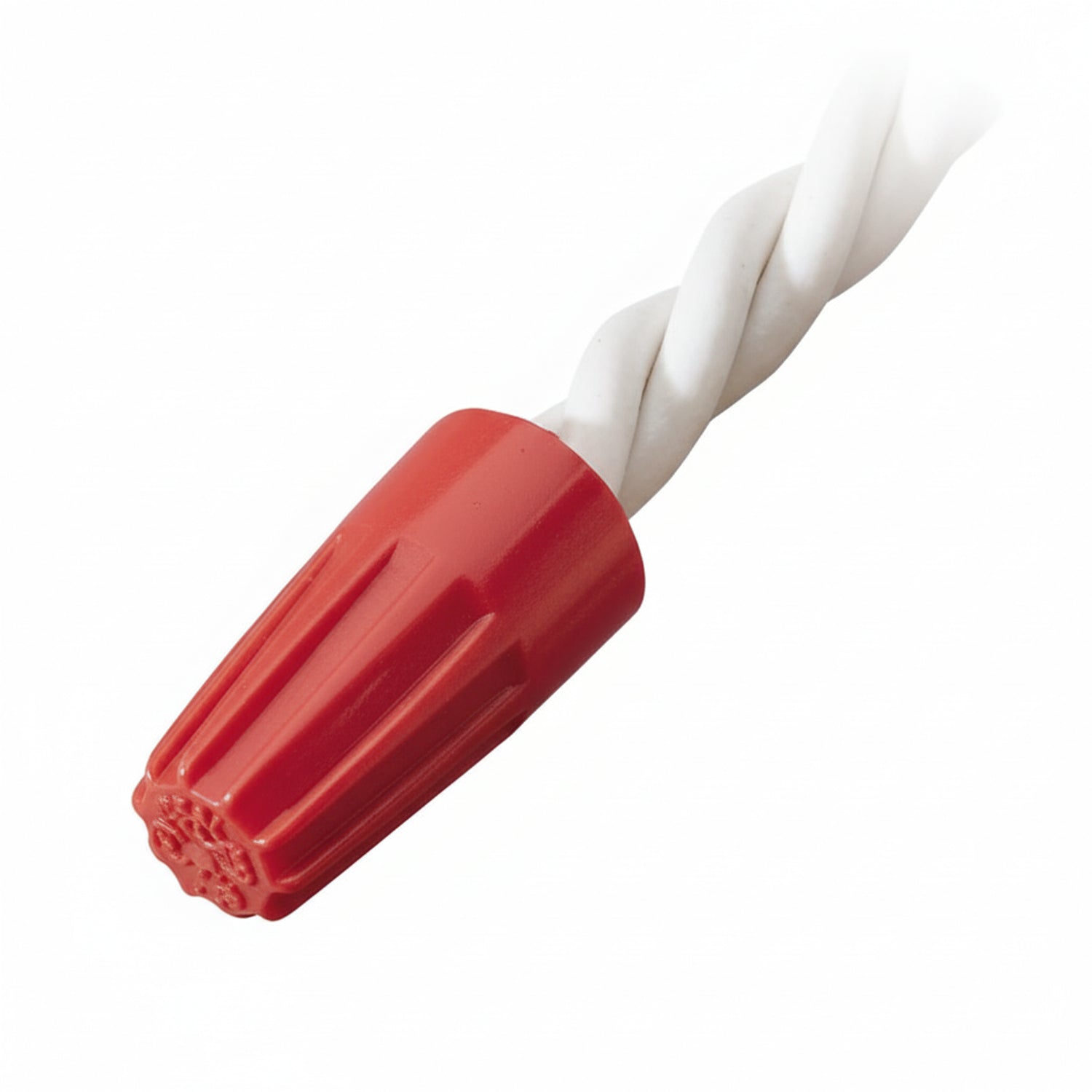 The best wire nut still needs a clean, well-prepared connection. Winter installations require extra attention because moisture easily works into unprotected areas.
A few steps during preparation greatly improve durability.
The best wire nut still needs a clean, well-prepared connection. Winter installations require extra attention because moisture easily works into unprotected areas.
A few steps during preparation greatly improve durability.