

Burying wires underground sounds simple, but it comes with real risks. Moisture, shifting soil, digging, and pests can all threaten your wiring. That’s why professional installers and experienced DIYers rely on quality wire protectors for direct bury projects. If you want lasting, safe underground connections, you need to choose the right solution from the start.
Let’s break down what wire protectors are, why they matter for underground use, the main types, and how to select the best product for your job.
Why Underground Wiring Needs Protection
When you run cables underground, you’re exposing them to harsh and unpredictable conditions. Water can seep into the soil at any time. Tree roots grow and shift over the years. Insects and small animals can chew through insulation. Accidental digging is a real danger, whether from home gardening or major excavation works.
A bare cable in soil may work for a short time, but sooner or later, these hazards catch up with you. The result? Damaged insulation, dangerous short circuits, or even electrical fires. Repairs can mean digging up entire garden beds or driveways—a huge hassle and expense.
That’s why every underground cable needs more than just a tough jacket. It needs a real barrier between it and the earth.
What Are Wire Protectors for Direct Bury?
Wire protectors for underground direct bury are products that shield cables against physical and environmental threats when buried below ground. Unlike standard cable sheaths, these protectors go a step further. They defend against water ingress, root penetration, rodent chewing, and mechanical impact.
Most underground wire protectors are tubes or sleeves made from plastic, metal, or composite materials. Some are flexible, others rigid. They can be split for retrofitting, or solid for maximum protection in new installations.
You can also find complete conduit systems, which carry multiple cables safely through underground spaces. These are the gold standard for high-value or high-risk installations.
Legal and Safety Requirements in the United States
In the US, you can’t just bury a standard cable and hope it holds up. Federal, state, and local laws set clear rules for installing and protecting underground wiring.
The National Electrical Code (NEC) requires that underground cables be rated for direct burial, or else installed inside an approved conduit. Both cables and conduits must protect against moisture, corrosion, UV exposure, and physical damage. Installers must also follow specific depth guidelines and place warning tape above the cable path to prevent accidental cuts during future digging.
Ignoring these standards can void your insurance, fail inspections, or put people at serious risk. Always consult a licensed electrician before starting any underground wiring project in the US.
Types of Underground Wire Protectors
There’s no single solution that fits every project. Your choice depends on cable type, soil conditions, depth, and expected threats. Let’s look at the most common types.
Heavy-Duty PVC Conduit
Rigid PVC conduit is a classic choice for burying power or data cables. It’s tough, waterproof, and resists chemical attack. Installers often lay it in trenches, glue the joints, and use solvent-welded bends for turns. It protects against stones, roots, and rodent teeth.
This conduit can handle shallow or deep runs, and is available in various diameters.
Flexible Corrugated Conduit
When you need a solution that bends around obstacles, flexible conduit is a great option. It’s easier to install than rigid pipe, especially in retrofits or tricky areas. While not quite as tough as rigid PVC, it still shields against most soil and moisture hazards. Choose a version rated for underground use.
Steel Armoured Conduit
In high-risk environments, steel armoured conduit provides the ultimate defence. This product resists crushing, impact, and even determined rodents. It’s ideal for commercial or industrial settings where cables might be exposed to vehicle or machinery pressure.
Split Sleeve Protectors
For existing cables that need extra protection, split sleeves can be snapped around the wire without disconnecting it. These are handy for spot repairs, upgrades, or when running a new line parallel to old ones.
Gel-Filled and Sealed Connectors
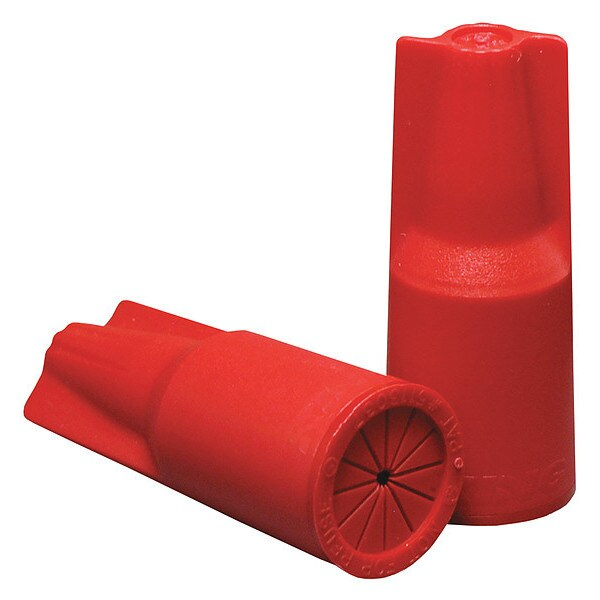
Protecting the cable itself isn’t enough. Underground cable joins are the most vulnerable spot for water and corrosion. Special direct bury connectors use gel, resin, or sealant to keep moisture out and maintain a reliable join.
Choosing the Right Wire Protector
Start by thinking about what you’re trying to protect against. Is your main worry water, rodents, or mechanical damage? For most home projects, heavy-duty PVC conduit gives the best mix of price and performance. For garden lighting or irrigation controls, flexible conduit often does the job and is easier to install.
Check that the protector you choose is rated for underground or direct bury use. Avoid “general purpose” products unless the label clearly mentions below-ground suitability.
Consider the depth of your trench. If cables are buried shallow, go for a thicker or tougher protector, since the risk of damage from digging or surface activity is higher.
In areas with aggressive rodents or regular vehicle traffic, step up to armoured conduit. The extra investment can save you a costly repair job later.
Installation Tips for Lasting Protection
Good installation makes all the difference. Here are some basic tips to ensure your underground wiring stays safe and compliant:
- Always dig your trench to the required depth, following AS/NZS 3000 rules.
- Lay a bed of sand or fine soil beneath the conduit to prevent sharp stones from causing damage.
- Use only approved fittings and solvent for rigid PVC joins—never tape or glue designed for other purposes.
- Mark the trench with warning tape before backfilling to prevent accidental strikes.
- Seal the ends of conduit runs so water and insects can’t sneak in.
- If you’re connecting cables underground, use purpose-made, waterproof joiners.
- Backfill gently and avoid big rocks or heavy tamping directly above the wire.
For large projects, or if you’re unsure, consult a licensed electrician. It’s worth doing right the first time.
The Hidden Dangers of Skipping Protection
Skipping wire protection underground might seem like a shortcut, but the risks are high. Soil moisture can enter cable jackets in days or weeks, not just years. Rodents have powerful jaws and can chew through most plastics if given a chance.
A single shovel strike from gardening or landscaping can slice an unprotected cable clean through. Repair means digging up the whole run, often after the fault causes power loss or safety issues.
Repairs are expensive, time-consuming, and disruptive. In the worst-case scenario, damaged cables can spark fires or deliver dangerous shocks.
Advances in Modern Wire Protectors
Today’s underground wire protectors are smarter than ever. New materials resist both UV and chemical attack, keeping your system safe even if soil or climate conditions change.
Some systems include built-in trace wires, making it easy to locate buried cables before digging. Others offer snap-fit designs for easier installation, or integral seals that guarantee watertight joins.
Gel-filled connector kits have made underground joins much more reliable, with far fewer failures over time. These kits seal the join in a block of gel or resin, so no moisture or pests can reach the metal.
When to Replace or Upgrade Old Underground Wiring
If your home or business has wiring that was buried years ago without protection, it may be time for an upgrade. Old cables with cracked or damaged jackets are a ticking time bomb for electrical faults.
Professional electricians can inspect your system with cable locators and cameras. Upgrading to modern, protected conduit adds value and peace of mind.
Real World Examples
Many pool owners find that their pump wiring fails within a year if it’s buried directly in soil. Garden lighting installers report far fewer callouts after switching to conduit and waterproof joiners.
Rural properties often battle with rodents. Steel conduit or double-walled plastic sleeves save them from costly outages.
Final Thoughts
Wire protectors for underground direct bury applications are not just a luxury—they’re a must for anyone wanting safe, reliable underground wiring. The small extra cost upfront saves huge headaches and expenses in the future. By choosing the right protector and installing it properly, you ensure that your electrical system will run smoothly for years, no matter what’s happening below ground.
For more insights and tips on cable ties and other related products, explore cabletiesunlimited.com, get a quick and free quote, and follow us on our social media communities on Facebook and Instagram!