

If you’ve ever opened up a server rack, crawled under a car, or stared at a tangled mess behind your desk, you’ve seen why cable protection matters. Whether you’re building a data centre, running wires across a workshop, or just trying to keep things neat at home, your choice of cable protection makes a real difference.
The two heavyweights in the cable management world are woven sleeving and tubing. But which one is right for your project? Let’s unpack how they work, what sets them apart, and why picking the right one saves you headaches, downtime, and money down the line.
What Is Woven Sleeving?
Woven sleeving is made from interlaced fibres—often PET, nylon, or fiberglass—creating a flexible mesh that slides over your cable bundle. The magic is in its expandable design. Push the ends together, and it grows wide, allowing you to fit it over connectors or bunchy cable groups. Pull it taut, and it contracts, hugging your wires snugly.
The texture is smooth but tough, resisting abrasion while letting air flow between cables. It comes in a huge range of sizes, colours, and even fire-retardant versions for high-risk environments. You install it by cutting it to length, slipping it over the cables, and securing both ends with heat shrink tubing, cable ties, or clamps.
Woven sleeving shines in projects where neatness, airflow, and flexibility matter. Think custom PC builds, server rooms, home theatre setups, robotics labs, or automotive looms. If you want your cables organised, visible, and easy to access for upgrades, sleeving is your friend.
What Is Tubing?
Tubing is a solid or split hollow tube made from plastic, rubber, or sometimes metal. It can be smooth, corrugated, flexible, or rigid. You’ll see tubing sold as split loom, conduit, flexible rubber, or heavy-duty plastic pipe.
Its main job is simple—completely encase and shield wires from the outside world.
Tubing stands up to physical abuse, moisture, chemicals, and pests. You’ll find it under car hoods, in underground runs, on outdoor lighting, or wherever wires face knocks, scrapes, or the elements. Some tubing is code-required for commercial or industrial jobs, especially outdoors or underground.
Installing tubing takes a bit more planning—sometimes you have to thread wires through before terminating them, or use split loom so you don’t have to disconnect anything. But once in place, it’s tough to beat for sheer durability.
Where Woven Sleeving Excels
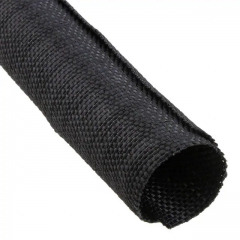
Woven sleeving’s biggest advantage is flexibility—both literal and figurative. It bends easily around corners and expands to fit any cable cluster. You can install it after the cables are terminated, which saves time in upgrades or repairs. It also keeps cables visible and easy to identify, making troubleshooting and maintenance much simpler.
Airflow is another huge plus. Electronics and high-density wiring generate heat. The open mesh of sleeving allows that heat to dissipate, which can extend the life of sensitive electronics. If looks matter (and let’s be honest, a tidy cable bundle is satisfying), sleeving delivers a professional finish. Custom PC builders and audio pros love it for exactly that reason.
You can even get sleeving in different colours to colour-code your setup, spot issues fast, or just add a personal touch to your install. The tactile feel is pleasant, and you don’t get the stiffness or “bulk” that comes with tubing.
When Tubing Is the Best Choice

Tubing wins hands down when you need to protect cables from the worst life throws at them.
Physical impacts? Tubing takes the blow. Moisture, chemicals, or UV rays? Tubing acts as a true barrier. Rodents, foot traffic, sharp tools, or machinery? Tubing is your insurance policy.
In commercial and industrial settings, tubing is often required by code—especially in underground, outdoor, or high-voltage installations. It’s also essential anywhere the risk of crushing or cutting is high.
Tubing can be rigid (for maximum strength) or flexible (for easier routing), and you’ll find specialty types that resist fire, oil, or direct sunlight.
It’s also better at keeping out fine dust or water—key if you’re wiring in a car wash, food processing plant, or anywhere moisture and grime are a daily reality.
For permanent or “set and forget” installs, tubing lets you walk away knowing your wires are protected.
Real-World Comparison: When Each Is Best
Let’s talk through a few scenarios:
- Server Room or Data Centre: Woven sleeving keeps things tidy, allows airflow, and makes future upgrades simple. You can see each cable at a glance.
- Automotive Engine Bay: Tubing protects against heat, oil, chemicals, vibration, and rodents. Sleeving can help inside the car for neat harnesses, but tubing is king under the hood.
- Home Office or Gaming Setup: Sleeving is ideal behind the desk or in your PC—keeps things neat, cool, and easy to tweak later. Use tubing only if cables run underfoot or outside.
- Factory or Workshop: Tubing is mandatory for exposed wiring, around machines, or anywhere there’s a chance of physical damage or spills.
- Outdoor Lighting or Garden Wiring: Tubing protects from rain, dirt, sunlight, and weed trimmers. Sleeving is for indoor use or inside enclosures.
Installation and Maintenance: The Day-to-Day Reality
If you want the easiest install and maintenance, sleeving wins.
You can route it around awkward bends, pull it over already-connected plugs, and swap out wires later without undoing the whole bundle. If you’re upgrading or troubleshooting, just slip off the sleeve, make your changes, and slide it back on.
Tubing takes more planning. You often have to thread wires before terminating them, or carefully split the tubing and snap it over existing runs. It’s a bit more rigid, which can make corners or tight spaces tricky.
On the flip side, tubing is much less likely to need repair or replacement—once it’s in place, it shrugs off almost anything.
Woven Sleeving vs. Tubing: Pros and Cons
One thing pros love about sleeving is how easy it makes future work. If you need to swap, label, or reroute cables, sleeving doesn’t get in the way. You just pull it off and put it back—no need for a total teardown.
Tubing, however, can turn into a puzzle if you need to add or replace a cable down the line. If you used rigid or non-split tubing, it may require cutting, fishing, or even redoing connections. Split loom and flexible tubing help, but it’s never quite as simple as sliding off a sleeve.
Still, if your job is one-and-done, or safety is the main concern, tubing’s hassle is well worth it for the peace of mind and code compliance.
Looks Aren’t Everything—But They Matter
For customer-facing jobs or installs where aesthetics count, sleeving really shines. It keeps cables neat, tidy, and often nearly invisible. You can colour-code, match to décor, or simply avoid the “rat’s nest” look.
Tubing is more about protection than looks, but a well-routed conduit or loom still shows you care about a quality job. On exposed exterior walls or industrial floors, neat tubing signals professionalism and safety.
Hybrid Solutions: Using Both for the Best Results
In many installations, the smartest move is to combine both options.
Use tubing for cable runs that face the outside world—under floors, across open spaces, or in high-traffic zones.
Then switch to sleeving at endpoints, inside racks, or anywhere cables need to be neat, labelled, and easy to work on.
This hybrid approach gives you toughness where you need it, and flexibility everywhere else.
Final Thoughts: Which Should You Choose?
The best cable protection matches your real risks and daily needs. Choose woven sleeving if you value flexibility, neatness, and future upgrades, and your environment is dry, clean, and safe. Go with tubing if you need armour against the elements, crushing, or code requirements. For many jobs, the smartest answer is a mix—tubing for protection, sleeving for organisation.
Don’t just default to what you used last time. Think about what’s at stake, who will service the system, and what could go wrong. With the right choice, your cables stay safer, your installs look sharper, and you avoid rework down the line.
For more insights and tips on cable ties and other related products, explore cabletiesunlimited.com, get a quick and free quote, and follow us on our social media communities on Facebook and Instagram!